Since Green Dog Walking began in 2013, we’ve learned a great deal about dogs—and about sharing London with them.
Walking through Hampstead Heath, navigating busy park paths and heading out in another spell of drizzle have all shaped how we work. So have the dogs themselves: the enthusiastic explorers, the quieter companions and those whose needs change as they grow older.
Thirteen years of professional dog walking haven’t given us a single formula that works for every dog. They’ve taught us to pay closer attention.
Here are 13 lessons we keep coming back to.
1. Working breeds need opportunities to use their brains
Border Collies, Working Cocker Spaniels and working-line Labradors are among the dogs we walk across North and West London. Their enthusiasm can be tremendous, but keeping their legs moving is only part of the picture.
A walk can also offer opportunities to sniff, explore, practise familiar cues and engage with their walker. For an energetic dog, that variety can be more useful than repeating the same high-intensity activity from start to finish.
Breed gives us a starting point for understanding a dog’s needs, rather than a complete description of their personality. We still need to learn what interests that individual, what overwhelms them and when they need a quieter moment.
Our favourite walks leave room for both activity and exploration. For ideas to try at home, see our guide to fun and stimulating games for dogs.
2. Small changes in body language deserve attention
In a busy London park, noticing discomfort early gives us more options.
A dog turning away, becoming stiff, tucking their tail or repeatedly licking their lips may need more space. None of these signals tells the whole story on its own: we look at the dog’s overall behaviour and what is happening around them.
Sometimes the best response is simple. Slow down, change direction or move away from an approaching dog.
Boundaries matter, too. We don’t let our group rush over to a dog on a lead. If someone tells us their dog is nervous, we give them space and put our dogs on lead where needed.
A successful encounter doesn’t have to include a greeting. Our guide to socialising a shy or nervous dog explores this more gently paced approach.
3. More exercise isn’t always the answer
“He just needs a longer walk” is an understandable response to a restless dog. But duration alone doesn’t tell us whether a walk is meeting their needs.
We’ve worked with owners whose dogs appeared more settled when walks became less intense and their routine included quieter activities. That doesn’t mean less exercise is right for every dog, or that changing a walk will resolve a behaviour problem.
It does mean we should look beyond the clock.
How much chasing or vigorous play is involved? Is there time to sniff? Does the dog have opportunities to pause? How do they seem afterwards?
The aim is an appropriate balance of movement, interest and rest for that particular dog. Exhaustion shouldn’t be the measure of a successful walk.
4. Dogs can behave differently with different people
We sometimes see dogs walking calmly with our team whose owners describe a very different experience on family outings.
That difference is useful information. It isn’t a verdict on anyone’s handling.
The route, time of day, nearby dogs and familiarity of the routine may all differ. A short video of a relaxed group walk captures one setting, rather than the dog’s behaviour in every situation.
Sharing observations helps us understand the bigger picture. We can compare what happened before a difficult moment, which cues were used and what helped the dog feel comfortable.
The most useful approach is a partnership between walker and owner, with consistent handling and realistic expectations.
5. Familiar routines help us build trust
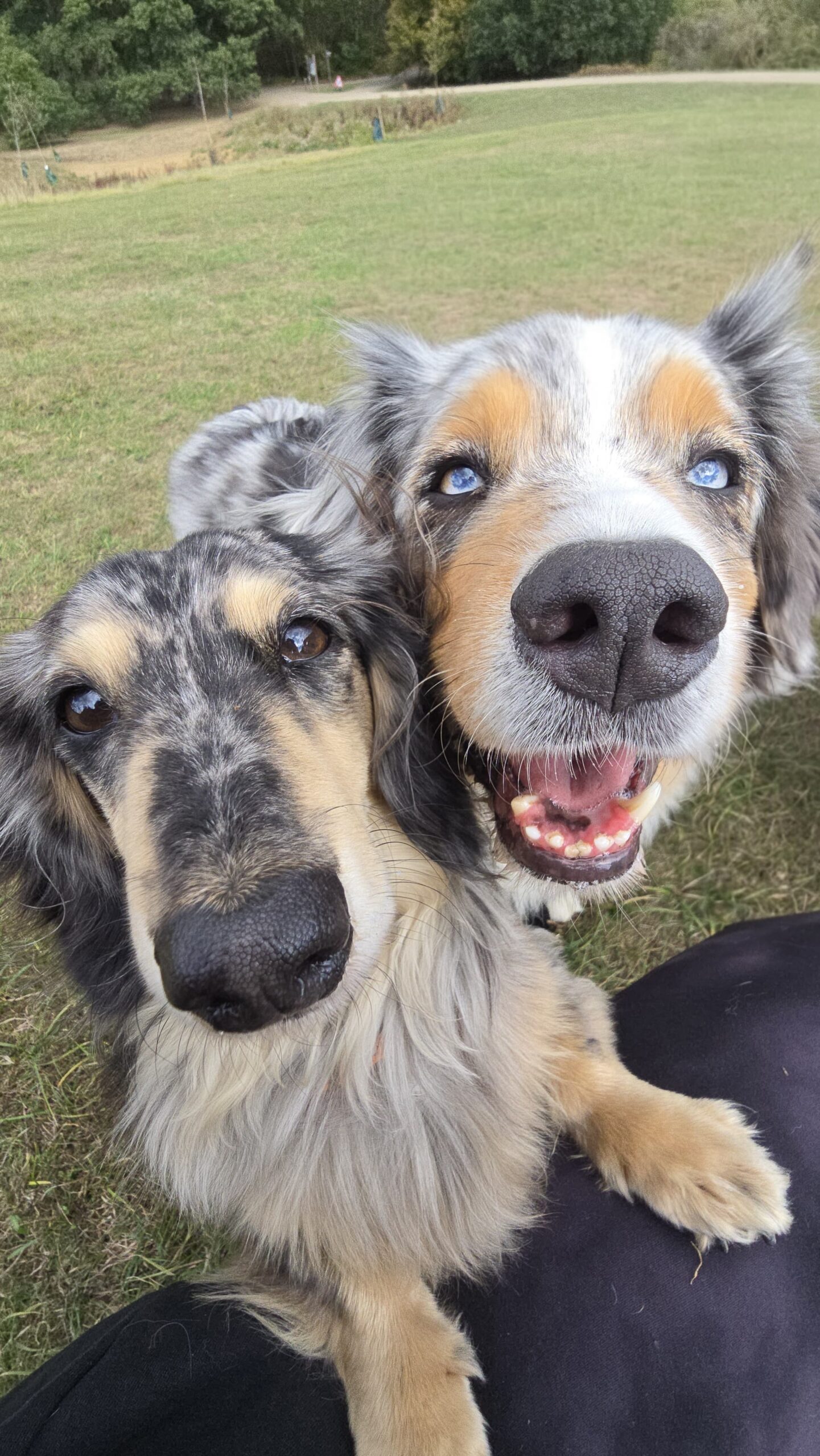
Over time, our walkers get to know each dog’s habits: their preferred pace, the companions they seek out and the situations that need a little more care.
We build weekly schedules around set days and carefully matched small groups. That familiarity gives us a foundation for getting to know the dogs properly.
Consistency also matters in the details. Using the same agreed recall cue or following a familiar routine at road crossings makes expectations clearer.
A predictable routine can still include different routes and interesting places to explore. What matters is that the dog receives clear, consistent guidance along the way.
6. In London, timing matters as much as location
The same park can feel very different on a quiet weekday morning and a sunny weekend afternoon.
Our experience of dog walking in Hampstead has taught us to think about the route within the park, as well as the park itself. On Hampstead Heath, quieter woodland paths may suit a dog better than busier stretches near swimming ponds, playgrounds or sports areas.
Conditions change, too. A familiar path may become slippery after rain, while an otherwise peaceful area may be crowded on another visit.
Local knowledge helps us make those decisions, but we still need to assess what is in front of us each day.
For more places to explore, take a look at our guide to dog-walking parks in London.
7. Group walks aren’t the right fit for every dog
A dog can be friendly and still find a group walk too much.
Some enjoy lively company. Others prefer a slower pace, more space or fewer interactions. Size and breed alone don’t tell us which dogs will be comfortable together.
We look at energy levels, play styles and how each dog responds to their companions. We also pay attention to dogs who repeatedly move away or struggle to find a quiet moment.
Being present in a group isn’t the same as enjoying it. The right arrangement should give each dog a chance to feel comfortable, and suitability needs to be reviewed as their needs change.
8. Familiar companions can make a difference
One of the pleasures of regular group walks is noticing which dogs choose each other’s company.
We see particular pairs seek each other out at collection, enjoy similar styles of play and settle near one another during pauses. We often describe these as friendships, while recognising that we can’t know exactly how dogs experience them.
Those observations help us make better group matches.
Some dogs seem happiest with one or two familiar companions. Others enjoy a wider range of company. Neither needs to be pushed into a different social style.
A good group gives dogs room to interact—and room to take a break.
9. Changes at home are useful context for a walk
Moving house, welcoming a baby or changing working hours can alter a dog’s daily routine. Owners may notice differences at home, while we may spot changes during walks.
One doesn’t automatically explain the other. But sharing that context helps us avoid assumptions.
A dog who seems quieter or less tolerant of play may need their walking arrangements reviewed. We regularly reconsider group placement, walk length and off-lead time in light of age, health and owners’ updates.
If a change is sudden or persistent, it deserves a conversation rather than being dismissed as a bad mood. Our role is to describe what we’ve observed and work with owners on appropriate next steps.
10. Safe walks depend on preparation and attention
Much of responsible dog walking happens before anything goes wrong.
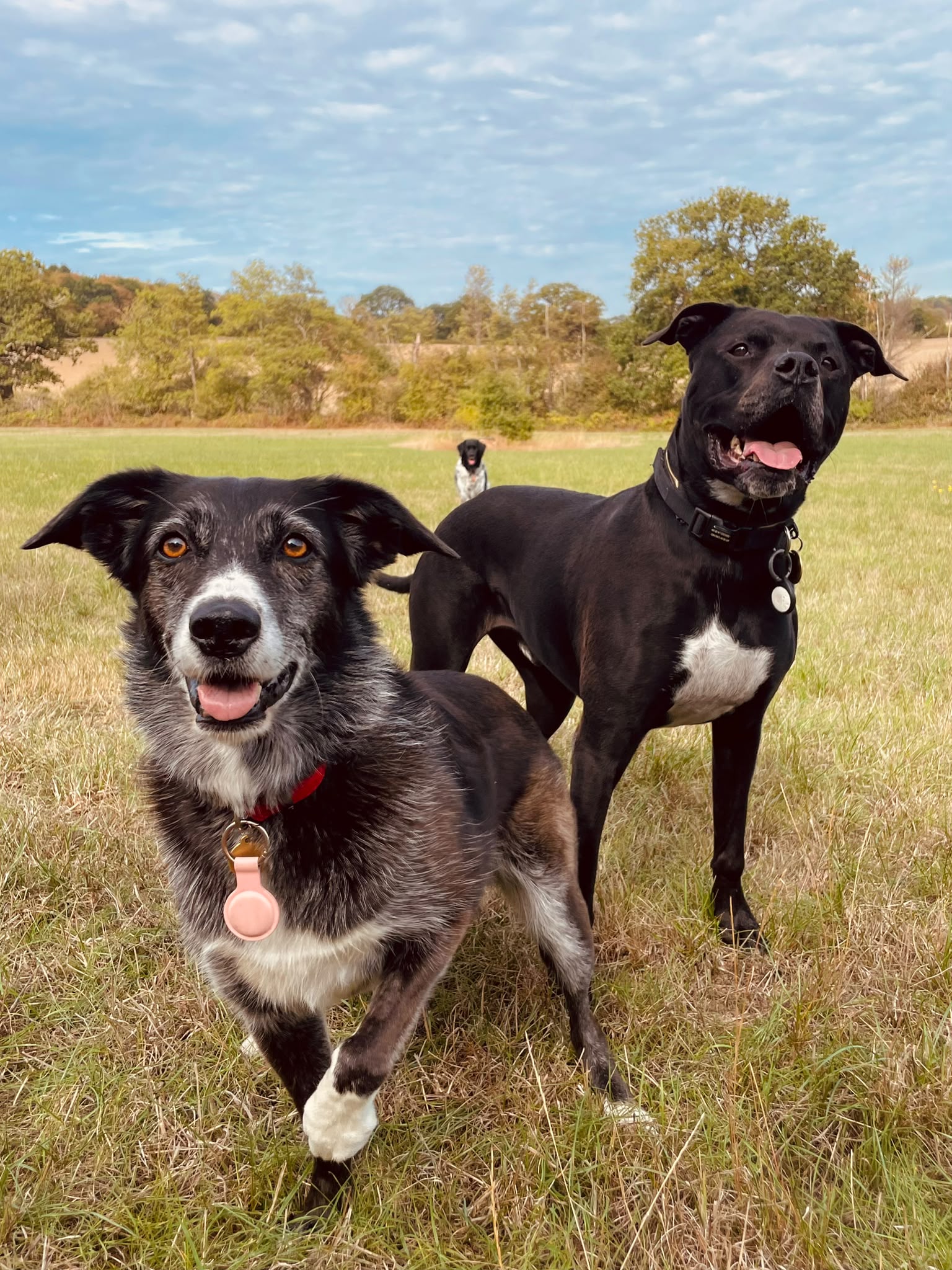
Our team checks leads, harnesses and identification before walks. Charged phones and knowing where to find local veterinary help are part of that preparation.
Once we’re out, we keep watching the surroundings: cyclists approaching a junction, children on scooters, a picnic beside the path or an unfamiliar dog heading towards the group.
London’s green spaces are shared spaces. Giving other people room, keeping dogs close when needed and being willing to change direction are everyday parts of the job.
Knowing a route well helps, but it never replaces paying attention.
11. Owners need honest updates as well as lovely photos
Photos are a welcome glimpse into a dog’s day. They’re also only part of good communication.
We send regular updates and share observations about behaviour and wellbeing. If a dog seems unusually quiet, isn’t enjoying their usual play or finds something difficult, that matters as much as the cheerful moments.
Specific descriptions are more useful than labels. Explaining that a dog moved away when play became lively tells an owner more than simply saying they were “unsociable”.
The conversation works both ways. Updates about sleep, health or changes in routine can help us make better decisions on the next walk.
Trust grows when owners know we’ll share the whole picture.
12. The weather should change the plan
London dog walking involves plenty of mud, rain and cold mornings. Summer brings a different set of considerations.
On Hampstead Heath, wet weather can make slopes and banks near ponds slippery. In warmer conditions, timing, shade, water and the amount of activity all need more thought.
A dog’s enthusiasm doesn’t necessarily mean the planned walk is appropriate for the conditions. Sometimes the sensible choice is to shorten or adapt an outing, or change the plan altogether.
The aim is to meet the dog’s needs safely, rather than complete the same route whatever the weather.
Our ideas for keeping your dog entertained come rain or shine can help when outdoor plans need adjusting.
13. Individual care is something you keep adapting
After 13 years, this is the lesson that connects everything else.
An older dog may prefer a gentle walk with plenty of sniffing. A younger dog may need support learning to settle around companions. A dog whose health or circumstances have changed may need a different routine from the one that suited them last year.
Individual care means continuing to notice those differences. For us, that includes thoughtful group matching, choosing suitable routes, keeping notes and checking in with owners.
If you’re choosing a walker, ask how they’ll get to know your dog and respond when their needs change. Our guide to a successful meet-and-greet with a new dog walker is a useful starting point.
Since 2013, the dogs in our care have kept teaching us to observe, adapt and make thoughtful decisions. That remains at the heart of Green Dog Walking.
If you’re looking for a dog walker in London, explore our services or get in touch with our team. We’d love to hear about your dog and discuss what would suit them.