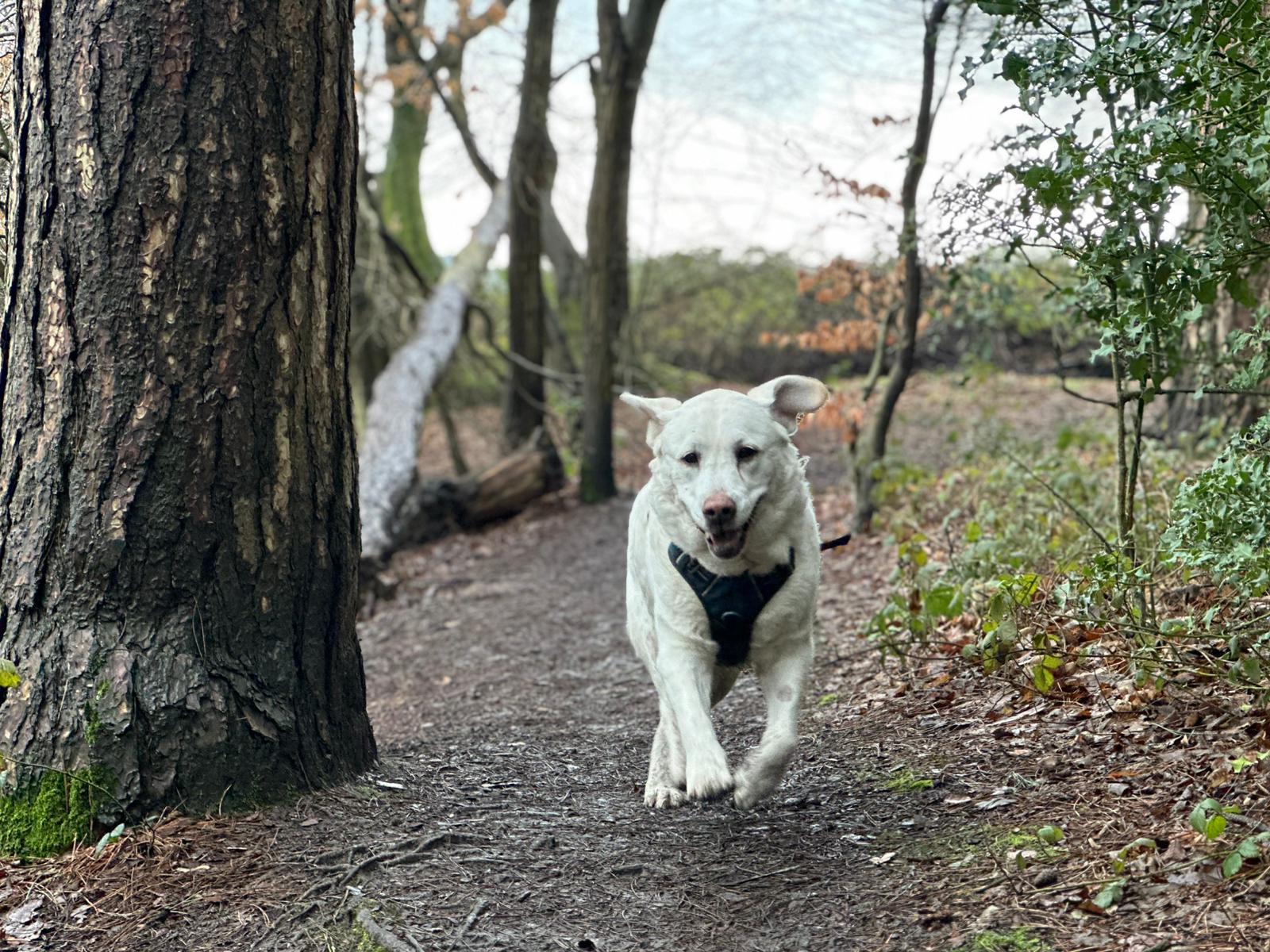
Whether you’re bracing for a “Beast from the East” or just the usual damp, drizzly British January, winter can be a bit of a literal headache for our four-legged friends. While we’re busy digging out our thickest woolly socks and thermal leggings, we often forget that our dogs are tackling the frosty pavements with nothing but their birthday suits!
Paws are surprisingly hardy, but between the freezing temperatures and the corrosive road salt, they can take a bit of a beating. To help you keep your pooch’s “tyres” in top condition, here is our Winter Paw Care 101.
1. Beware the “Great British Gritter”
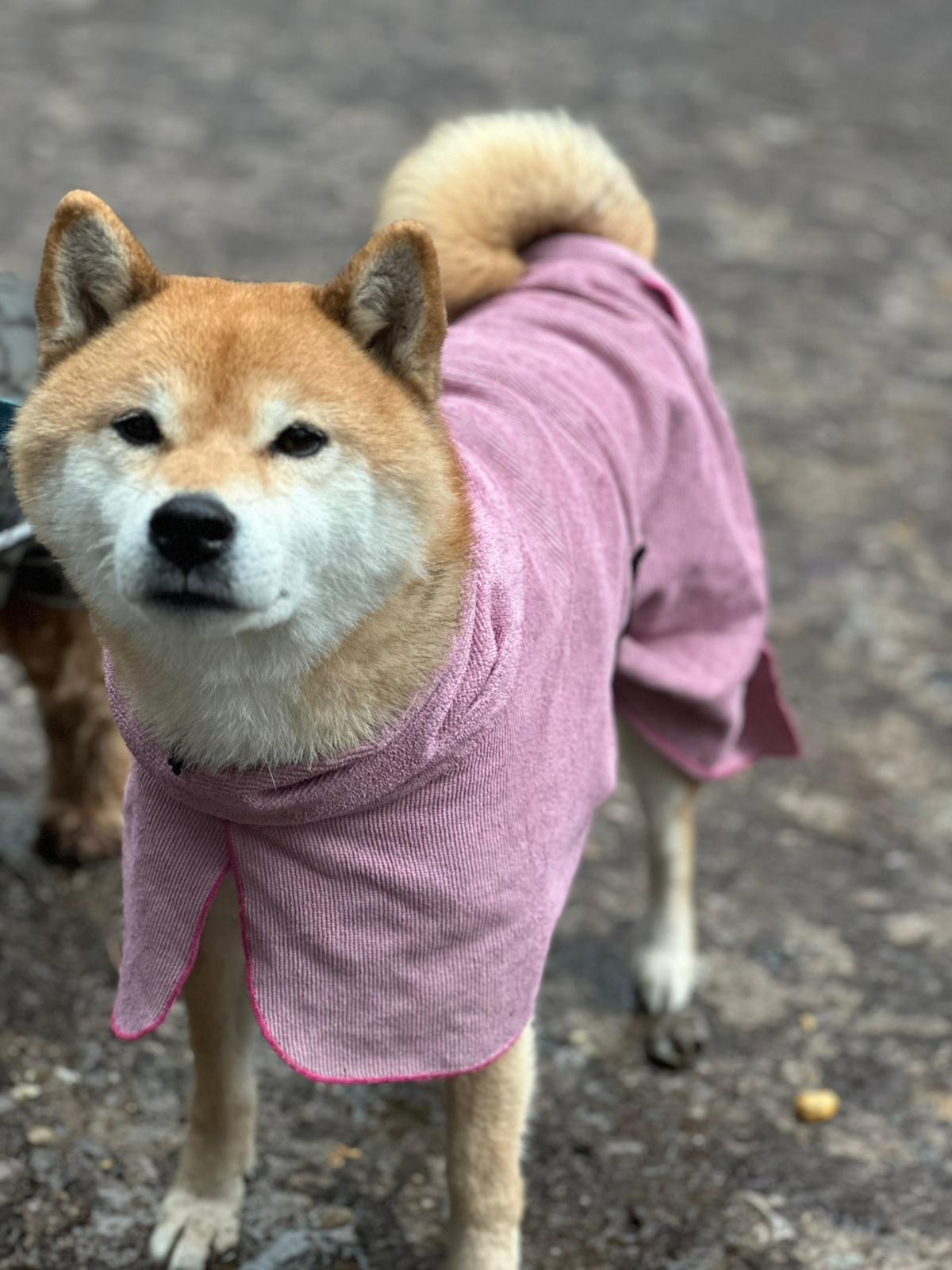
As soon as the temperature drops, out come the gritters to keep our roads moving. While we appreciate the lack of ice, that rock salt and grit is a nightmare for paw pads. It’s highly corrosive and can cause nasty chemical burns or extreme dryness.
- Top Tip: Try to steer your dog away from heavily gritted areas, opting for grass or unsalted paths where possible.
Find out more here
2. The “Snow-ball” Effect
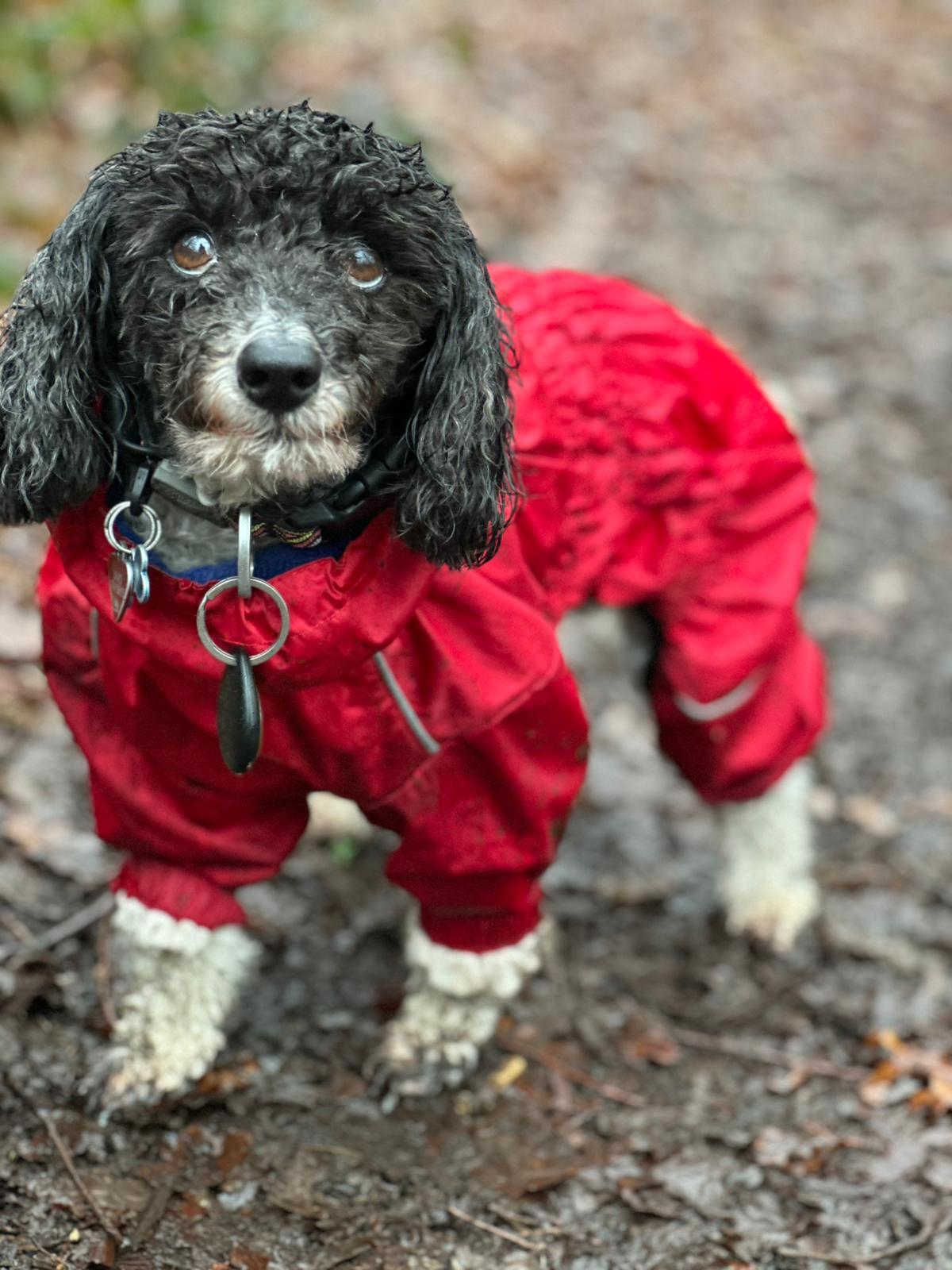
If you have a breed with luscious, long locks (looking at you, Spaniels and Cockapoos!), you’ve likely seen those pesky ice balls that attach themselves to the fur between their toes. These can be really painful, acting like little frozen pebbles that rub against the skin.
- Top Tip: Keep the hair between their pads trimmed neat and tidy. This gives the ice and mud fewer places to cling to, making your post-walk cleanup much faster.
Find out more here
3. The Post-Walk “Puddling”
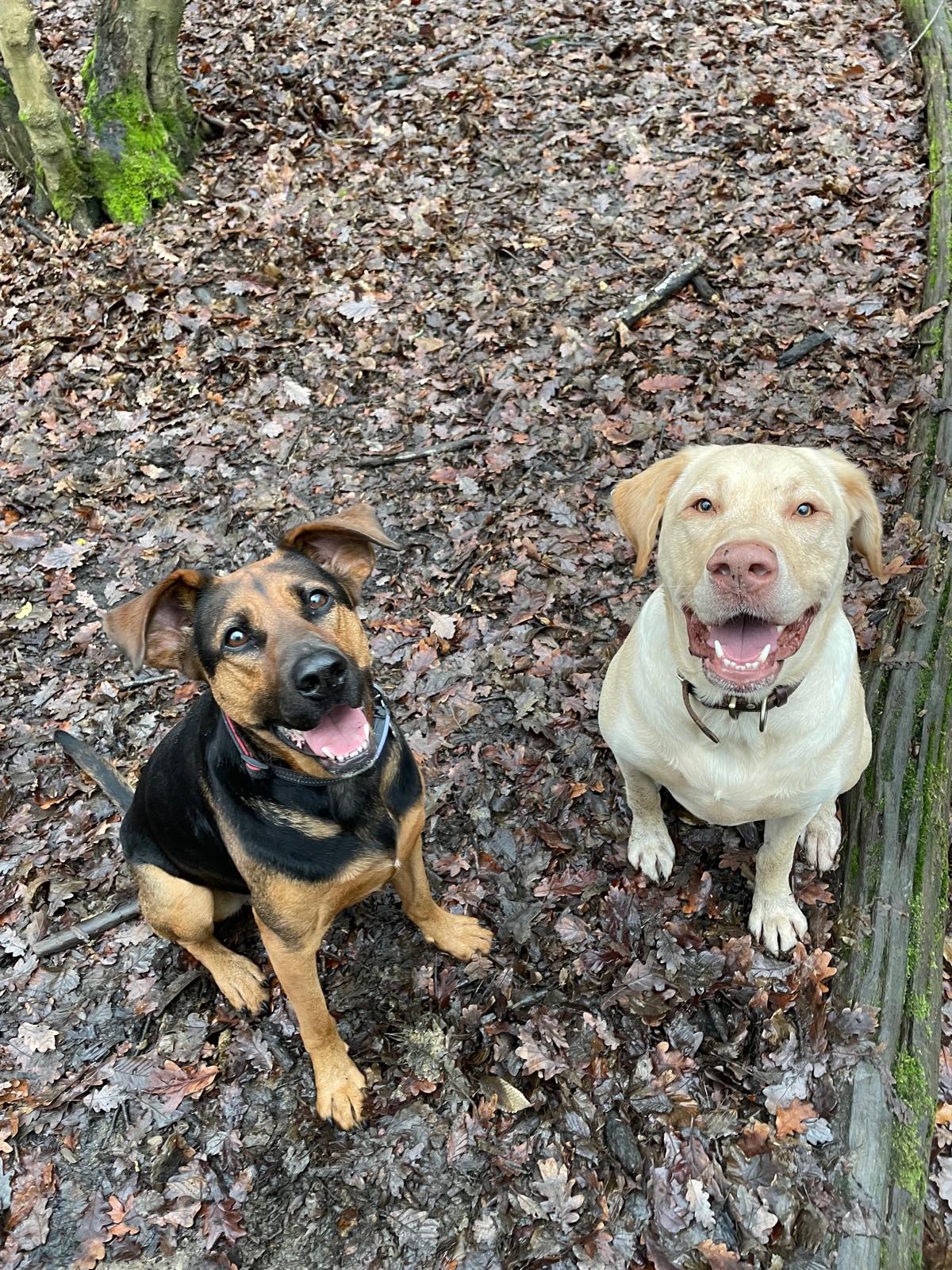
When you get back from a bracing winter stroll, don’t just towel off the coat. Give those paws a lukewarm rinse. This isn’t just about the mud; it’s about washing away any hidden salt, anti-freeze (which is incredibly toxic if licked!), or debris trapped in the fur.
- Top Tip: Keep a dedicated “paw bowl” or a portable paw cleaner by the back door so you can dunk and dry before they settle on the rug.
Find out more here
4. Moisturise Those Pads
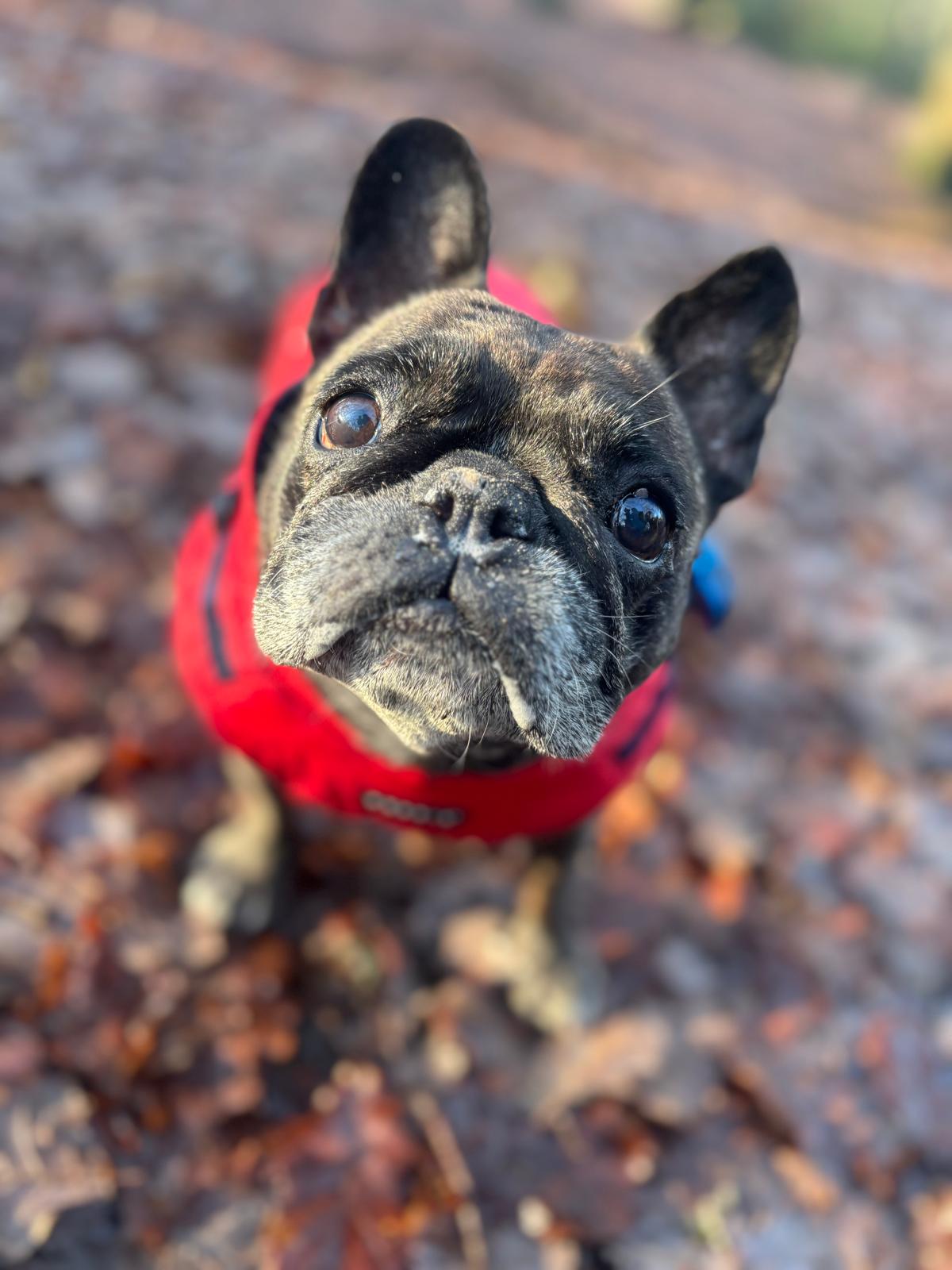
Central heating and freezing winds are a recipe for cracked, sore skin—and dog paws are no different. If your dog’s pads feel like sandpaper, they might need a bit of TLC.
- Top Tip: Rub a dog-safe paw balm or wax into their pads before and after walks. It creates a waterproof barrier against the salt and keeps the skin supple. Just make sure it’s non-toxic, as we all know they’ll try to lick it off immediately!
Find out more here
5. To Boot or Not to Boot?
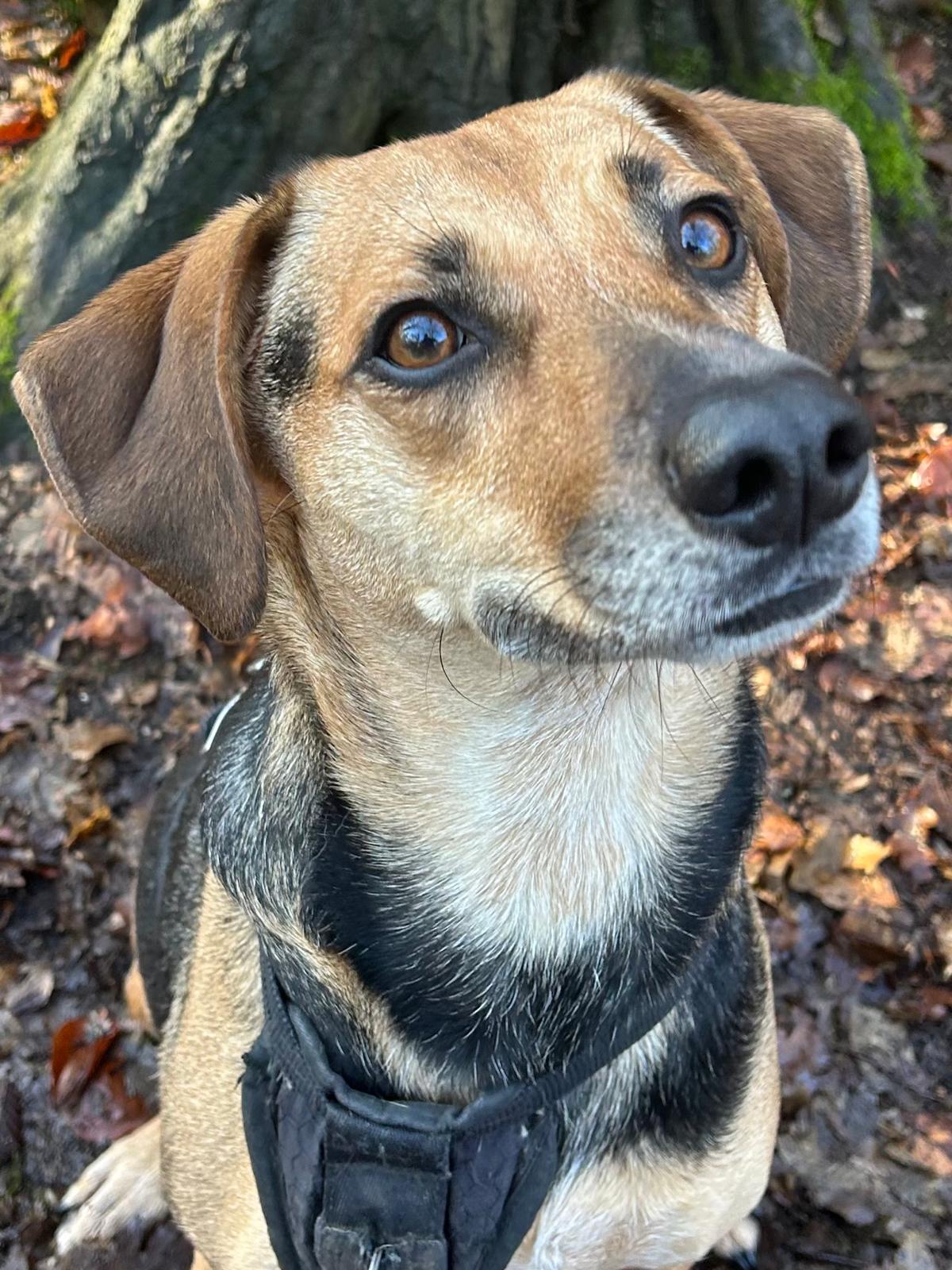
They might look a bit silly at first, but dog boots are a fantastic option for sensitive souls or older dogs who struggle with the cold. If your dog does the “frozen paw lift” (lifting one leg and looking at you pathetically), it’s a sign the ground is simply too cold for them.
- Top Tip: Introduce boots slowly indoors with plenty of treats. They’ll likely do a very funny “high-step” walk for the first five minutes, but they’ll thank you when they’re strolling over the frost in total comfort.
- However, many vets state that boots aren’t necessary for most dogs and can sometimes cause more harm than good – this is largely because pet pawrents often don’t fit the boots correctly. So, please ensure the correct fit if you do decide on boots for your pooch!
Find out more here