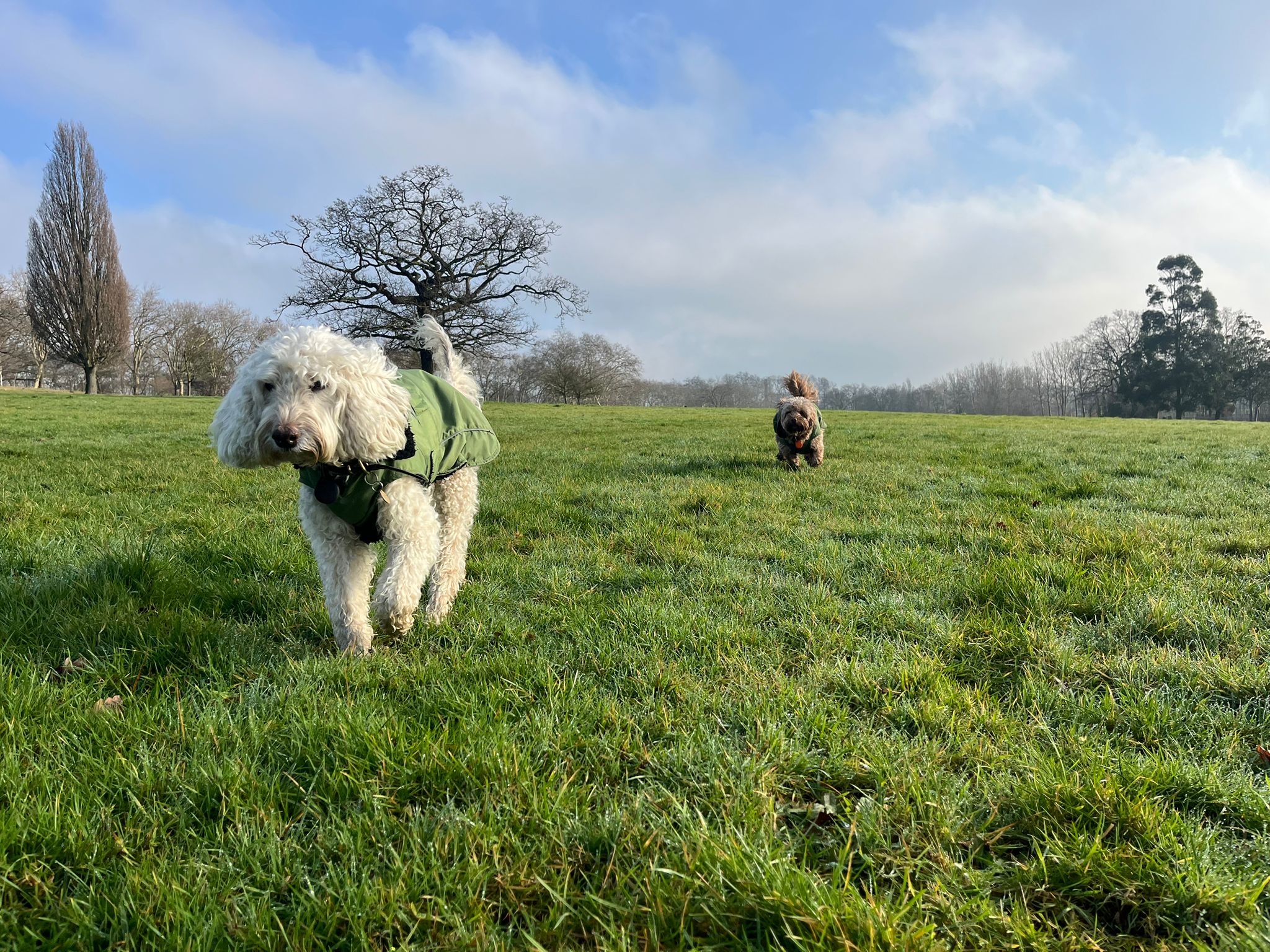
February is arguably the most challenging month for dog owners in the United Kingdom. While the days are gradually lengthening, the ground is often at its most saturated. After weeks of winter rain, the local park can feel less like a leisure space and more like a wetland, leaving both walkers and their canine companions struggling to stay clean and dry.
Navigating this “mud season” requires more than just a sturdy pair of wellies; it requires a strategic approach to the daily walk. Here are five essential tips for managing the muck and surviving the British February.
1. Invest in Maximum Coverage
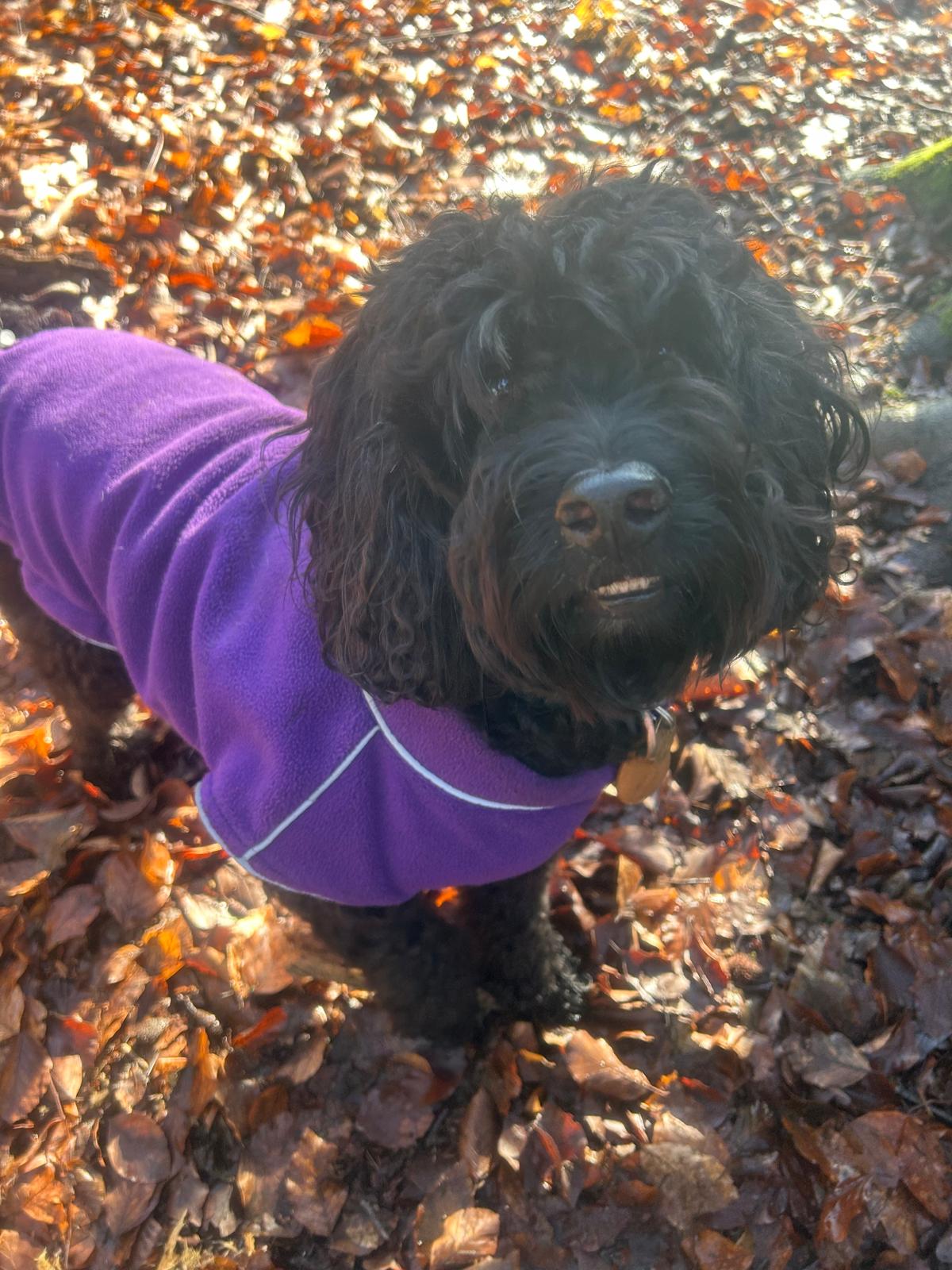
The traditional dog coat certainly has its place, but when the mud is several inches deep, protection for the undercarriage and legs becomes a priority. High-quality fleece jumpers or “trouser suits”—offered by British brands such as Equafleece—provide comprehensive coverage that shields a dog’s feathers and belly from claggy clay and grit.
By covering the areas most prone to collecting debris, owners can often reduce the post-walk cleanup from a full bath to a simple paw wipe. While these garments are highly functional, they also provide an extra layer of warmth during the biting February winds.
Find out more here
2. Establish a “Decontamination Zone”
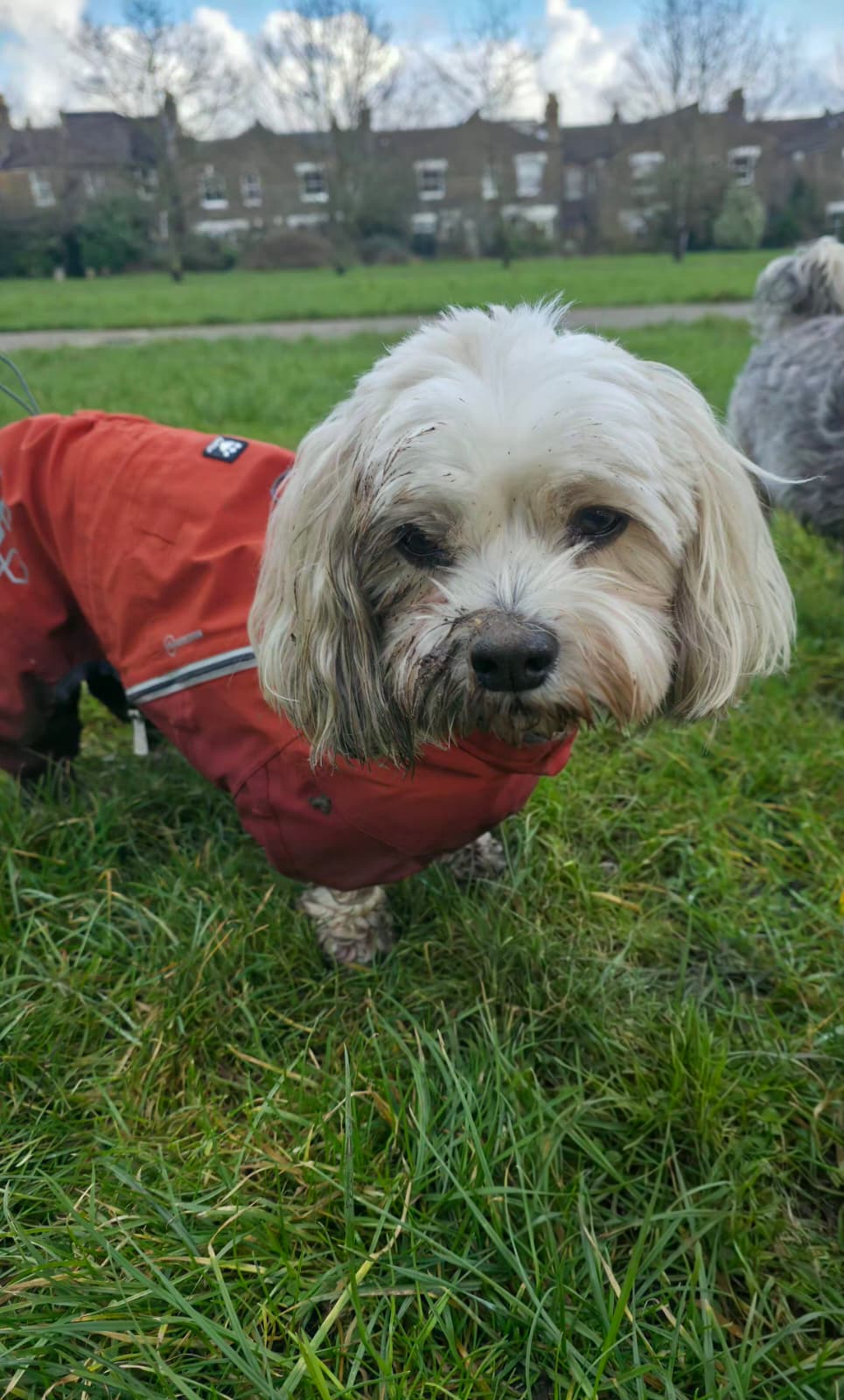
Success in keeping a home clean starts before the front door is even opened. Establishing a dedicated transition area—whether in a porch, utility room, or hallway—is vital.
Before heading out, prepare this “decontamination zone” by laying down heavy-duty, absorbent barrier mats and keeping a stack of clean towels within reach. By training a dog to wait on the mat for a thorough cleaning before entering the rest of the house, owners can prevent “muddy zoomies” from ruining carpets or soft furnishings.
Find out more here
3. Upgrade to Microfibre Technology
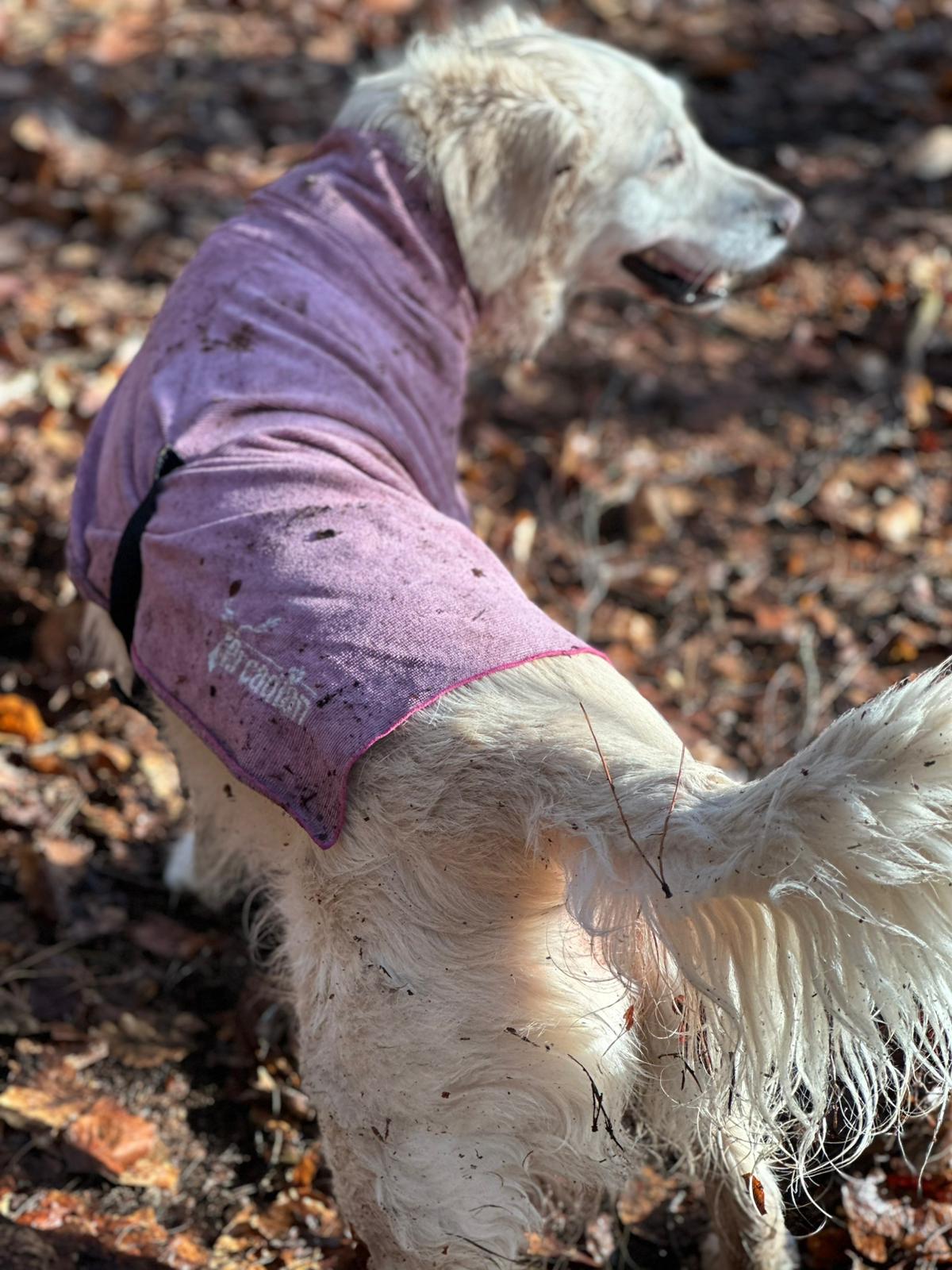
While old bath towels are a common household staple, they often lack the absorbency required for a truly wet British winter. Specialist microfibre “noodle” mitts and towels are far more effective at trapping grit and absorbing moisture quickly.
For those who travel to walks by car, a portable pressure washer (such as the Mud Daddy) is a game-changer. Rinsing the worst of the mud off at the trail-side prevents the dirt from ever reaching the car or the home, making the final drying process significantly more manageable.
Find out more here
4. Choose Terrain Strategically
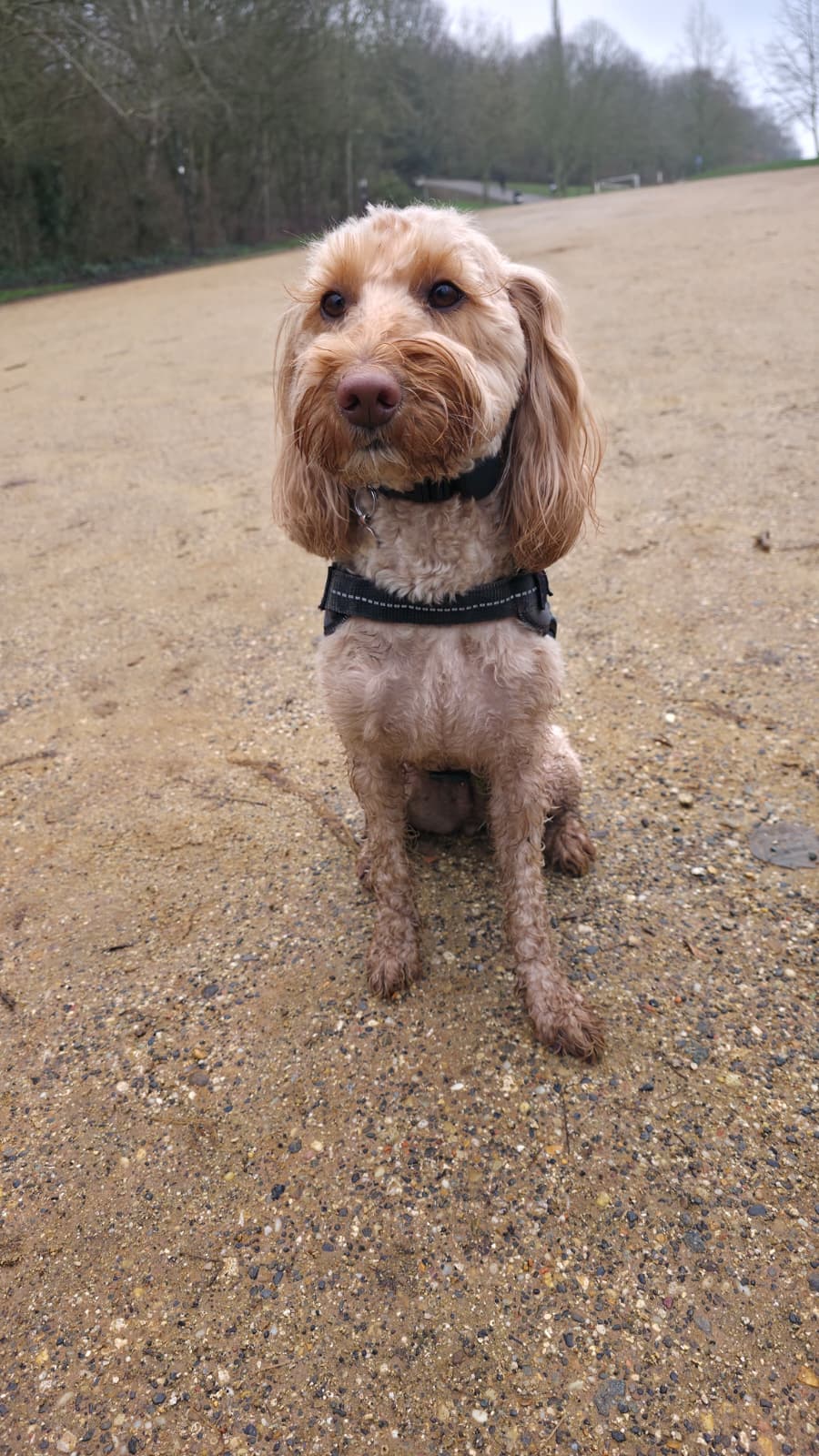
It is tempting to stick to favourite woodland or meadow routes, but in February, these areas often become impassable bogs. This is the month to embrace “tarmac trekking” or to seek out Forestry Commission sites with well-drained gravel tracks.
If off-lead exercise is a priority, look for paths that follow higher ground or coastal routes where the sandy soil drains faster than inland clay. Avoiding the high-traffic gateways of local parks—which quickly become ankle-deep slurry—will save a significant amount of cleaning time later.
Find out more here
5. Utilise Drying Robes for Aftercare
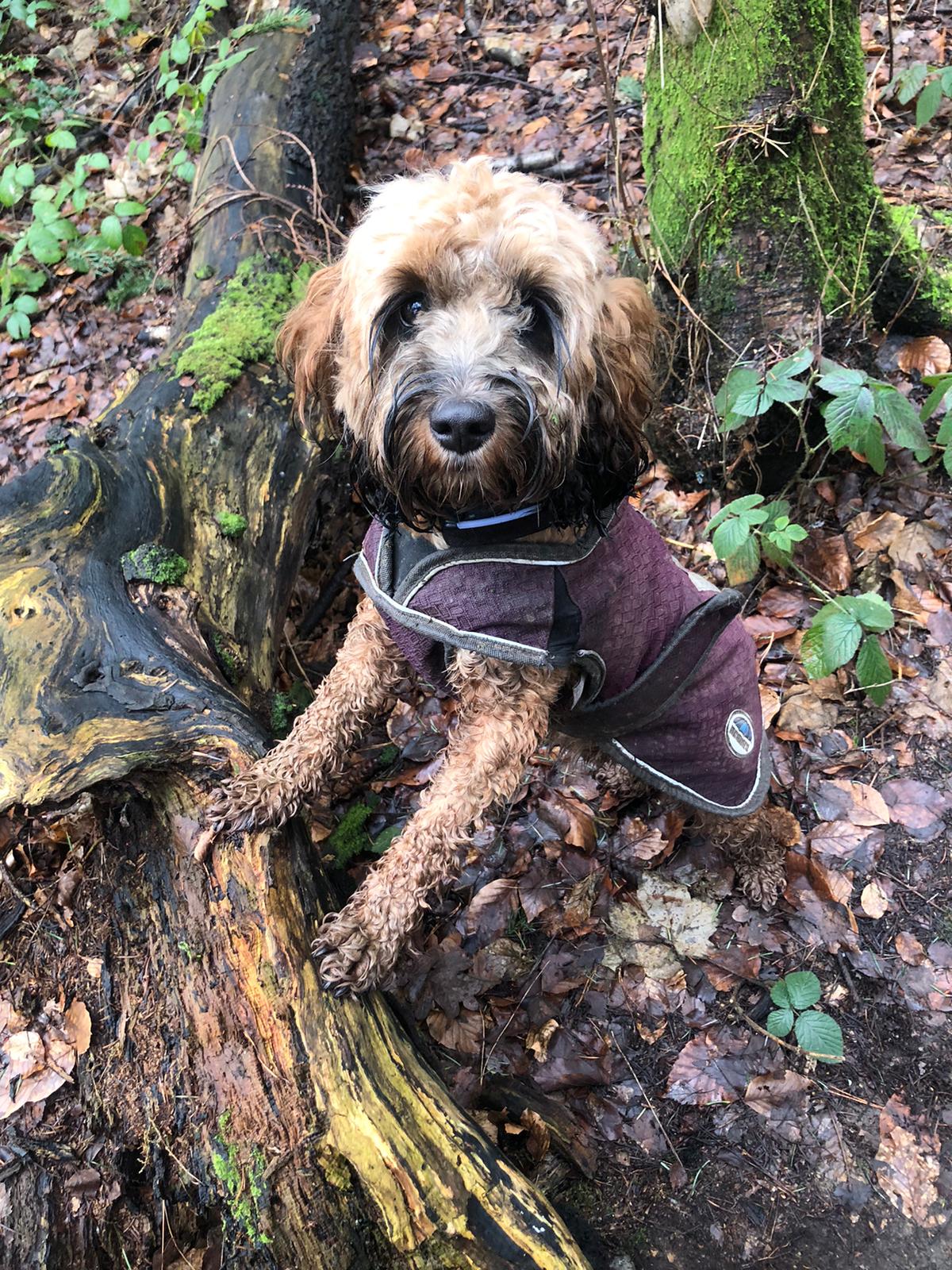
Even after a dog has been towelled down, their coat can remain damp for hours, leading to that familiar “wet dog” aroma and chill. A drying robe—essentially a towelling dressing gown for dogs—is a highly effective solution.
Popping a robe on a dog for 30 minutes after a walk wicks moisture away from the skin and contains any remaining dampness. This not only keeps the dog warm and comfortable as they dry but also prevents them from shaking muddy water onto walls and furniture.
Find out more here