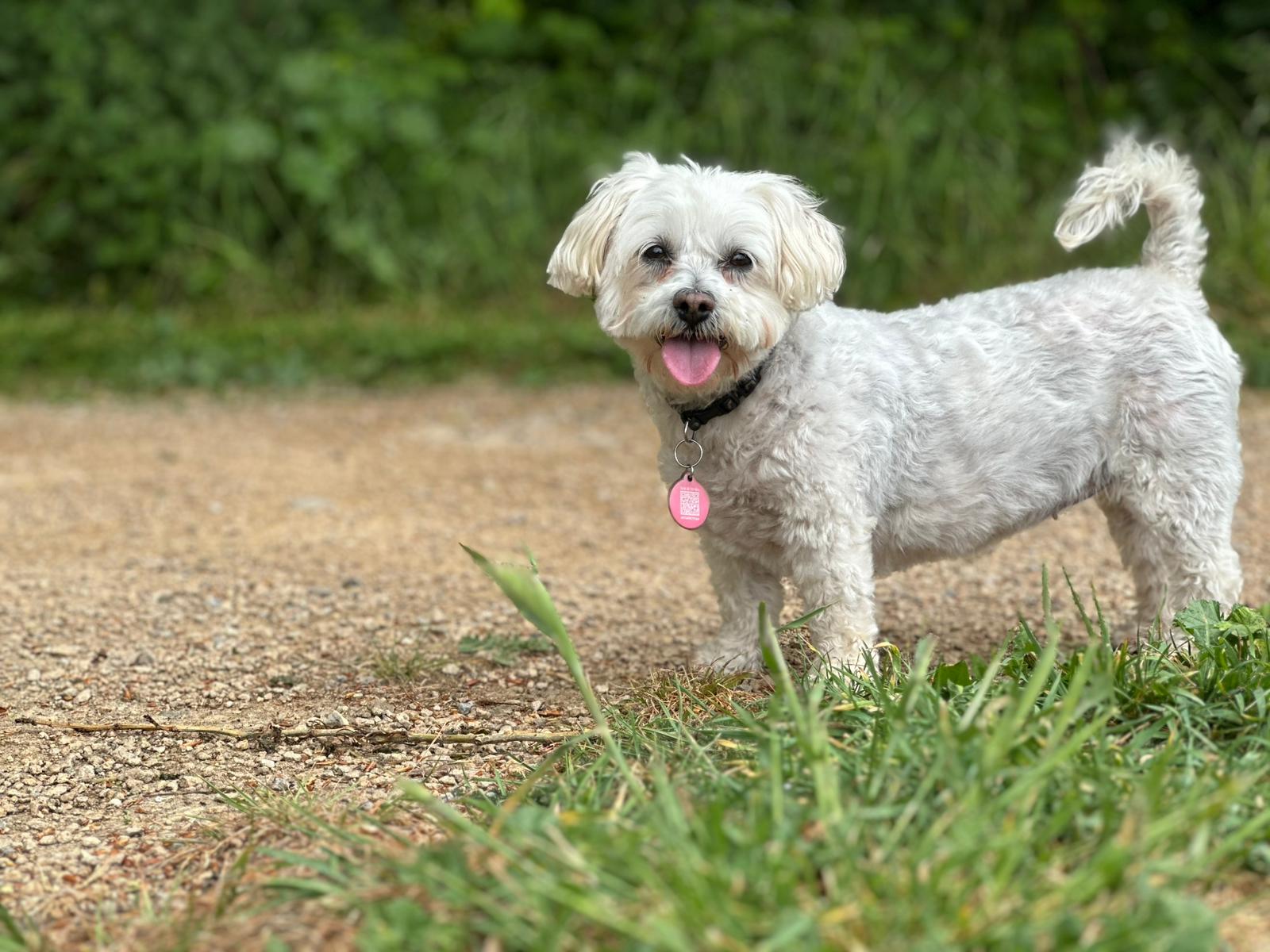
As soon as the British sun makes a guest appearance and the thermometer hits double digits, our collective instinct is to head straight to the nearest beer garden or fire up a disposable BBQ. But for our dogs, “t-shirt weather” can quickly turn into “danger weather.”
In the UK, we’re famous for complaining it’s too cold, but when it comes to our pups, we need to talk about the 19°C Rule. It sounds mild to us, but for a dog, it’s the point where “lovely walkies” can start to feel like a session in a sauna.
Here are 5 things you need to know about navigating the 19°C threshold this May.
The “Standard British Optimism” Trap
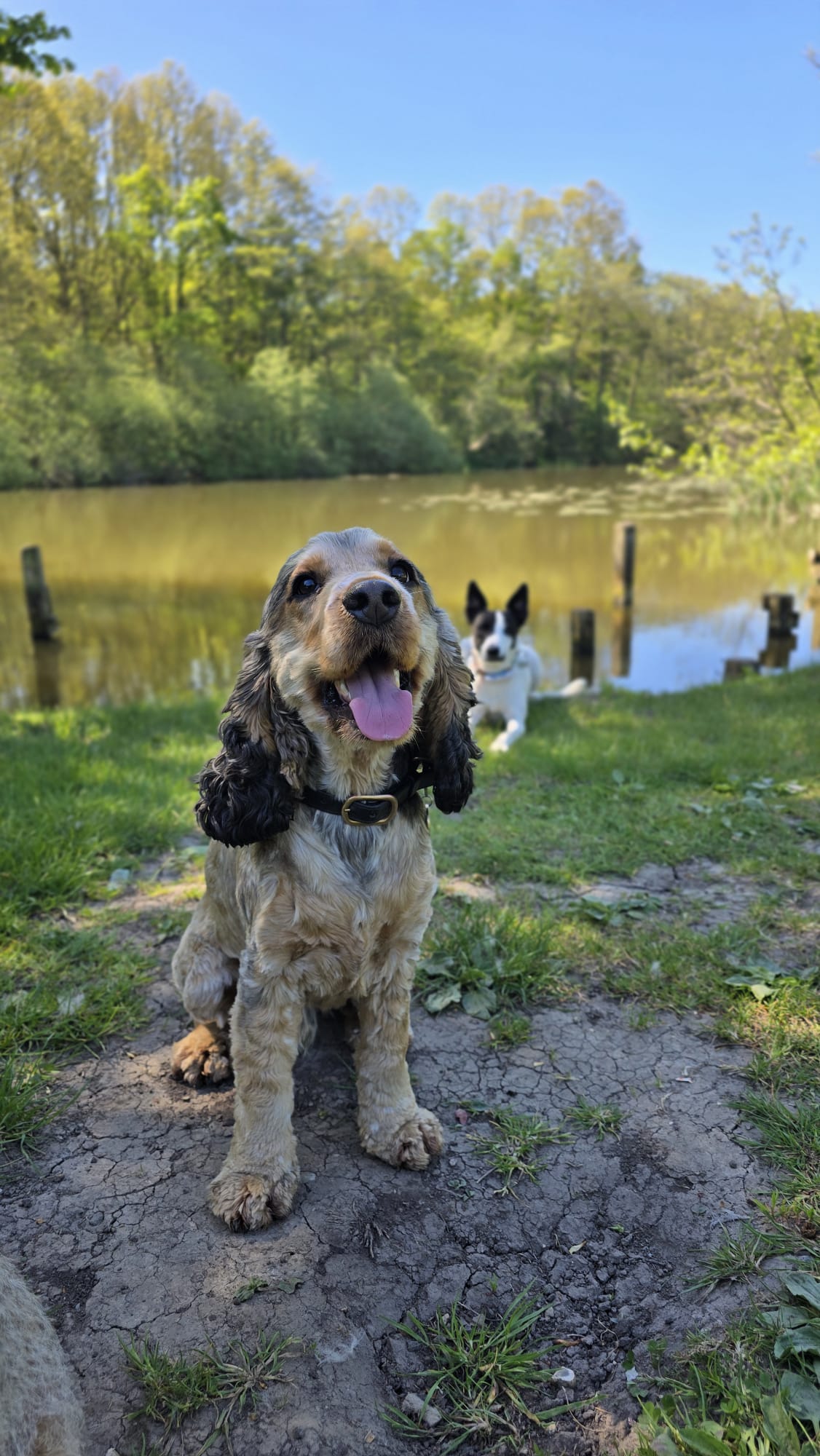
We’ve all done it. The sun comes out in Leeds or London, it’s a breezy 19°C, and we think, “It’s not even that hot!” However, dogs don’t sweat through their skin like we do; they rely on panting to cool down. At 19°C, especially with high humidity (which we have in spades in the UK), a dog’s internal temperature can rise much faster than you’d expect. If you’re feeling “just right” in a light jumper, your dog is likely already reaching their limit.
Find out more here
The “Flat-Face” & “Big Coat” Factor
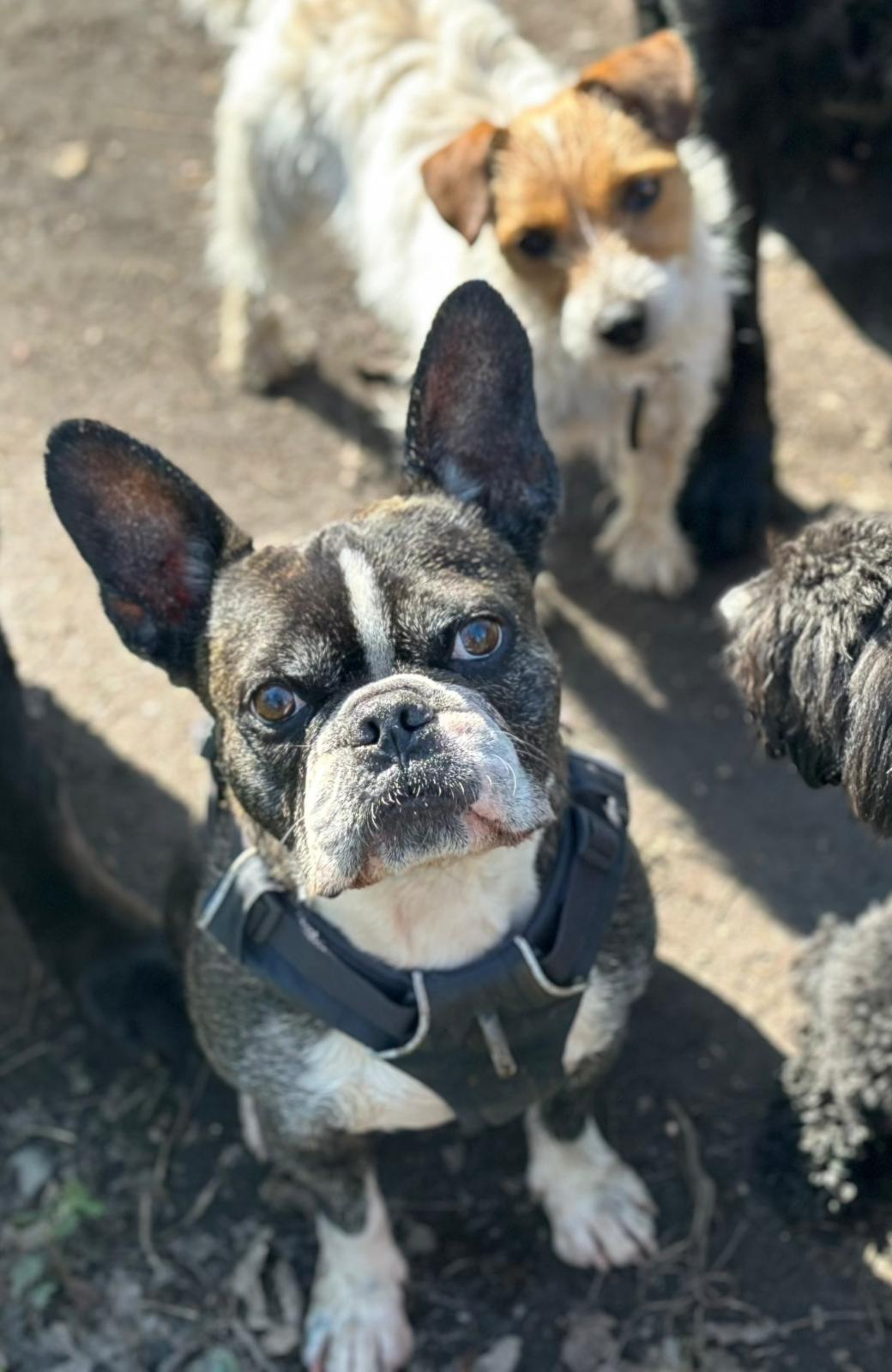
The 19°C Rule isn’t one-size-fits-all, but it’s a vital benchmark for certain breeds. If you own a brachycephalic breed (the flat-faced cuties like Pugs, Frenchies, or Bulldogs) or a “Double-Coat Diva” (think Huskies or Chow Chows), 19°C is effectively their “Red Alert.” Their cooling systems are less efficient, meaning a midday stroll in May can lead to heatstroke much faster than it would for a skinny-coated Greyhound.
Find out more here
The Back-of-the-Hand Test
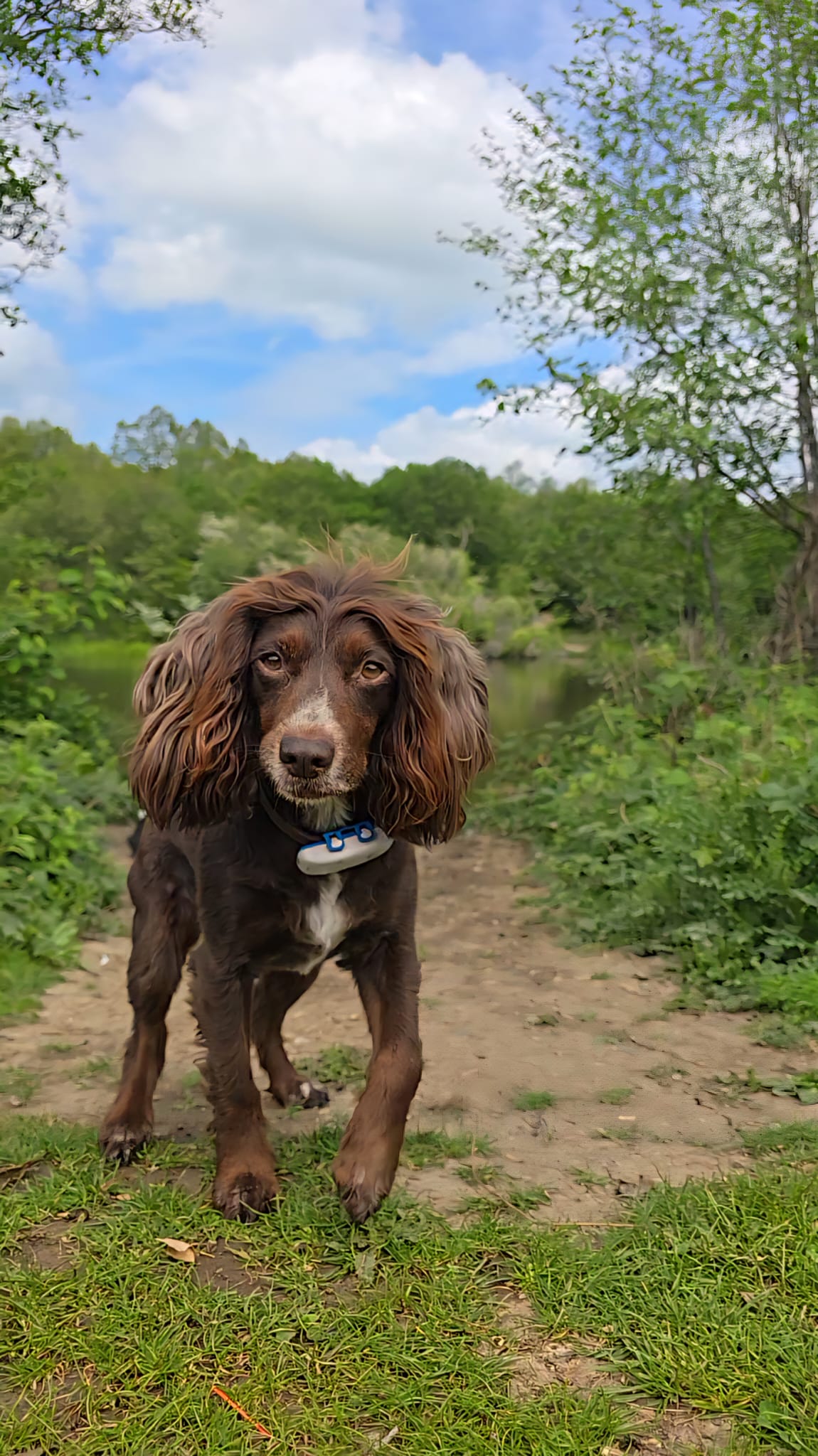
Before you head out, do the five-second tarmac test. Place the back of your hand firmly on the pavement. If you can’t comfortably keep it there for five seconds, it is far too hot for your dog’s paws. Dark tarmac absorbs heat like a sponge; even if the air feels fresh, the ground can be hot enough to cause painful blisters on sensitive paw pads.
Find out more here
Know the “Hot Dog” Red Flags
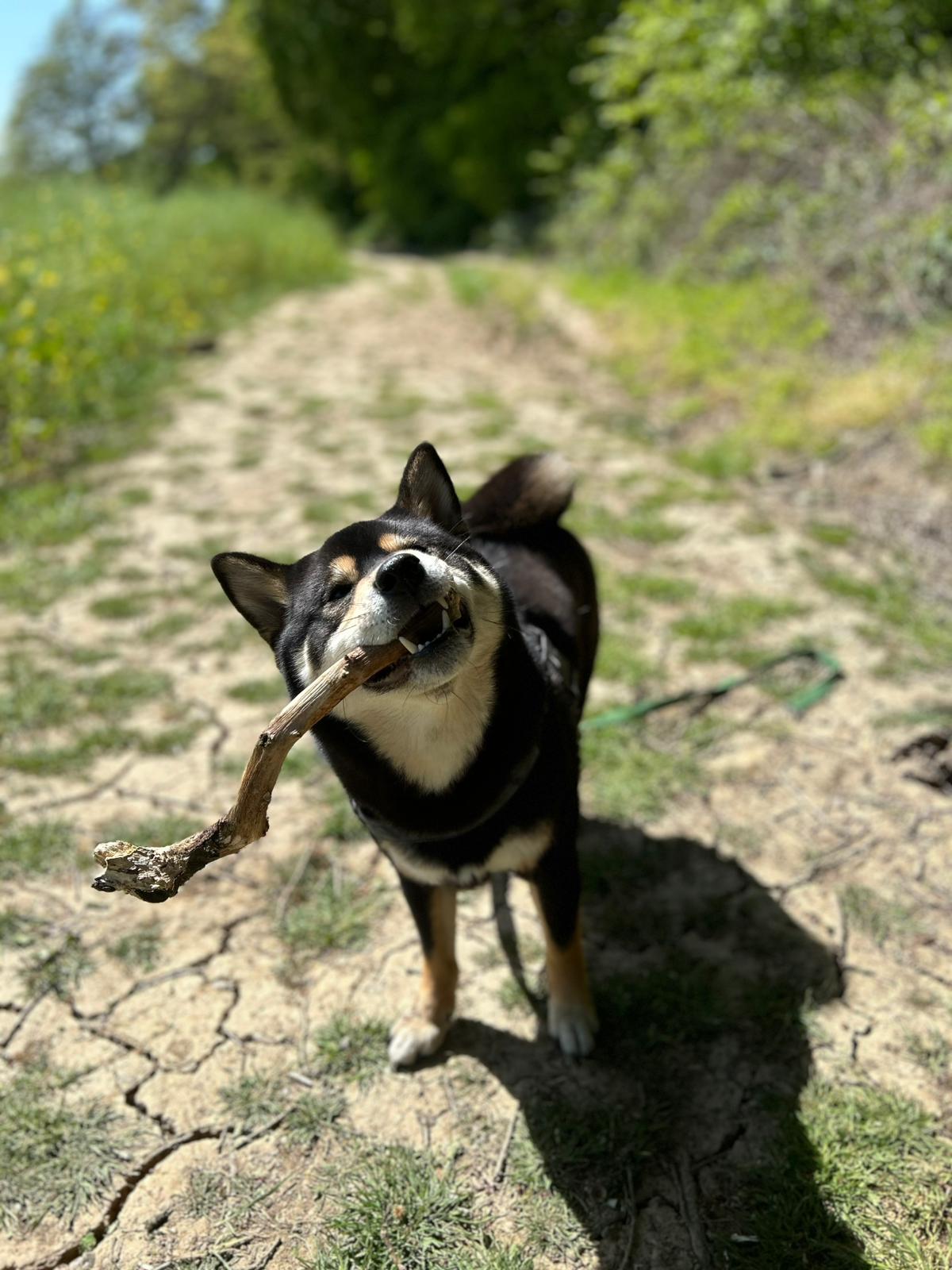
Heatstroke doesn’t always look like a dog collapsing. It starts subtly. Keep an eye out for:
- Heavy, frantic panting (even after they’ve stopped moving).
- Bright red gums or a tongue that looks wider and flatter than usual.
- Glassy eyes or a slightly “spaced out” expression.
- Reluctance to move or seeking out the deepest shade possible. If you see these, it’s time to find a cool floor and some room-temperature water immediately.
Find out more here
Mastering the “Vampire Schedule”
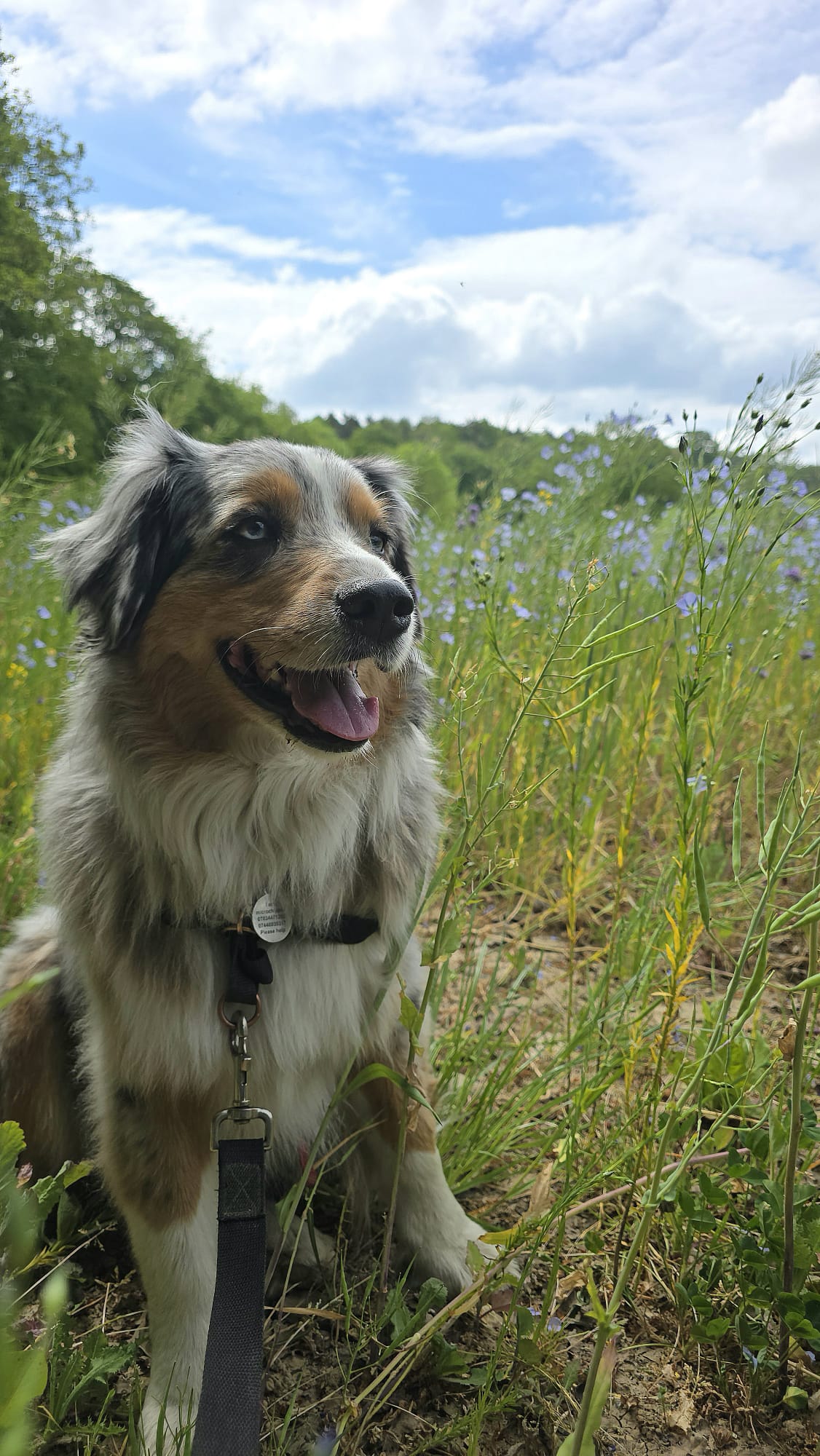
The best way to respect the 19°C Rule? Become a creature of the night (or the very early morning). In May, the sun is surprisingly strong between 11 am and 4 pm. Aim for “Dawn and Dusk” walkies. Not only is the air cooler, but you’ll also catch those glorious May sunsets without the worry of a panting, stressed-out pup.
Find out more here