Life with a Dog in London Today
At six in the morning on Hampstead Heath, before the joggers arrive, you’ll find a quiet world of dog walkers, off-lead spaniels, and the odd greyhound picking its way through wet grass. By evening, pubs in Peckham and Hackney fill with owners settling into corners, dogs curled under tables, bar staff reaching for the treat jar. London is a city built around its dogs.
Green Dog Walking has been part of this city since 2013, walking and caring for thousands of dogs across Zones 1 to 3. Over that time, we’ve watched London become one of the most dog friendly capitals anywhere. This guide covers the practical side of living with a dog in London: where to walk, where to eat, how to get around, and how to find trusted care. We’ll also address harder topics, including abandoned dogs in the city and what responsible ownership looks like in practice.
Dog-Friendly London at a Glance
London is exceptionally accommodating for dogs. According to the Dogs Trust 2024 National Dog Survey, over a third of UK households now include at least one dog, though Greater London averages about 1.19 dogs per dog-owning household compared to the national figure of 1.36. Fewer dogs per home, but a dense, active community of owners who expect good infrastructure.
Neighbourhoods each have their own dog scene. Primrose Hill draws a well-heeled crowd with wide pavements and leafy café terraces. Islington and Hackney lean independent: small batch coffee, rescue mutts, weekend meet-ups on the marshes, and local parks where dogs and owners make friends. Clapham revolves around the Common, where you’ll find every breed from miniature dachshunds to big Rhodesian Ridgebacks. Peckham, once overlooked, now hosts growing numbers of dog friendly pubs and affordable grooming spots.
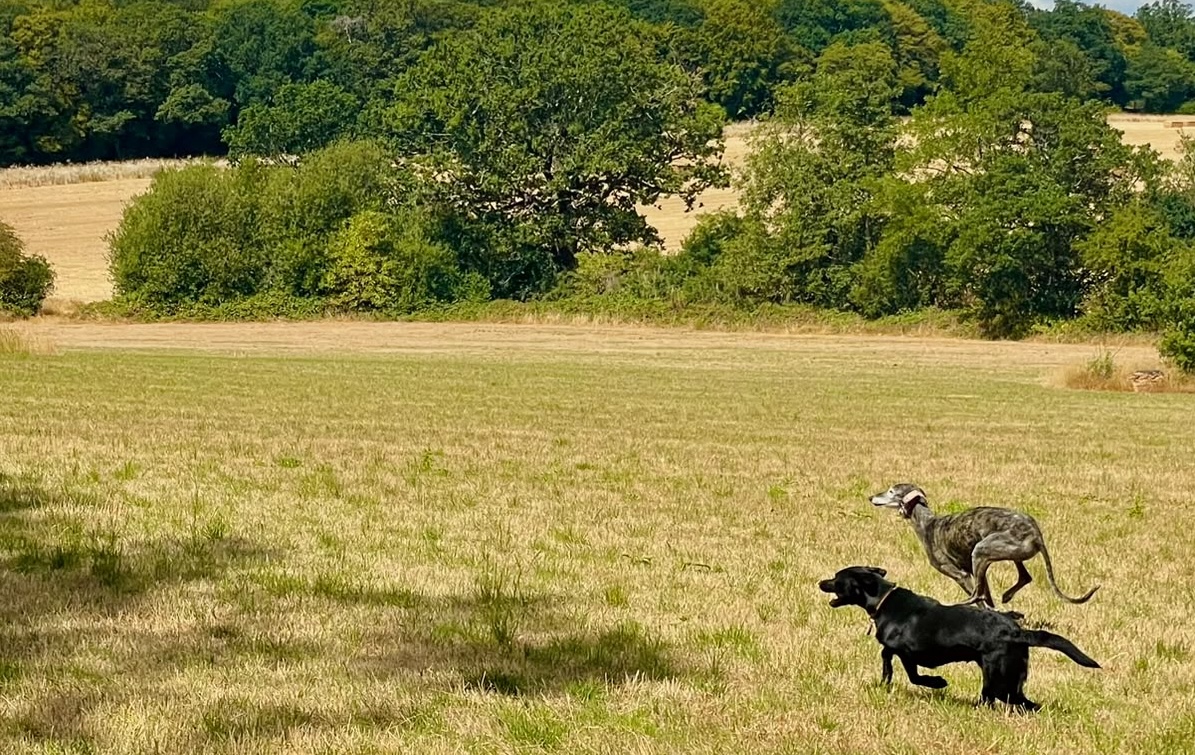
Many dog-friendly cafes and pubs are found throughout the city, and Londoners increasingly treat pets as family. That shift has created demand for professional services: walkers, daycare, home-boarding, and trainers who understand the particular challenges of city living.
Best Dog-Friendly Parks and Walks in London
London features sprawling green spaces suited to everything from a small terrier’s half-hour potter to a full morning hike with large dogs like Labradors or German Shepherds.
Hampstead Heath is legendary as a dog-friendly park and widely considered London’s top dog-walking spot. Parliament Hill offers panoramic views south across the city; mixed woodland and bathing ponds add variety. Weekends between 9 and 11 am get busy, so early-morning slots before 7:30 suit owners who want a quieter walk. Many London parks have seasonal leash requirements to protect wildlife, and the Heath is no exception during nesting season.
Hyde Park offers designated off-leash areas for dogs along the northern lawns, and the Serpentine provides a good circuit of roughly two miles. Battersea Park is a 200-acre Victorian riverside park with enclosed training areas and café terraces where parks provide water bowls and treats for visiting dogs. Regent’s Park works well for medium-energy walks; its Broad Walk loop covers about a mile.
In East London, Victoria Park features dedicated dog-friendly social events throughout the year and suits energetic, large dogs that need long, flat stretches. Hackney Marshes, just north, adds open space for breeds that thrive on distance.
At Green Dog Walking, we tailor routes to each dog’s age, breed, and energy level. A typical 60-minute group walk in Battersea Park might loop the riverside path, pause at the lakeside café for water, then open up in the off-lead section before heading home. Always check local council rules and clean up after your dog.
Dog-Friendly Cafés, Pubs, and Indoor Spots
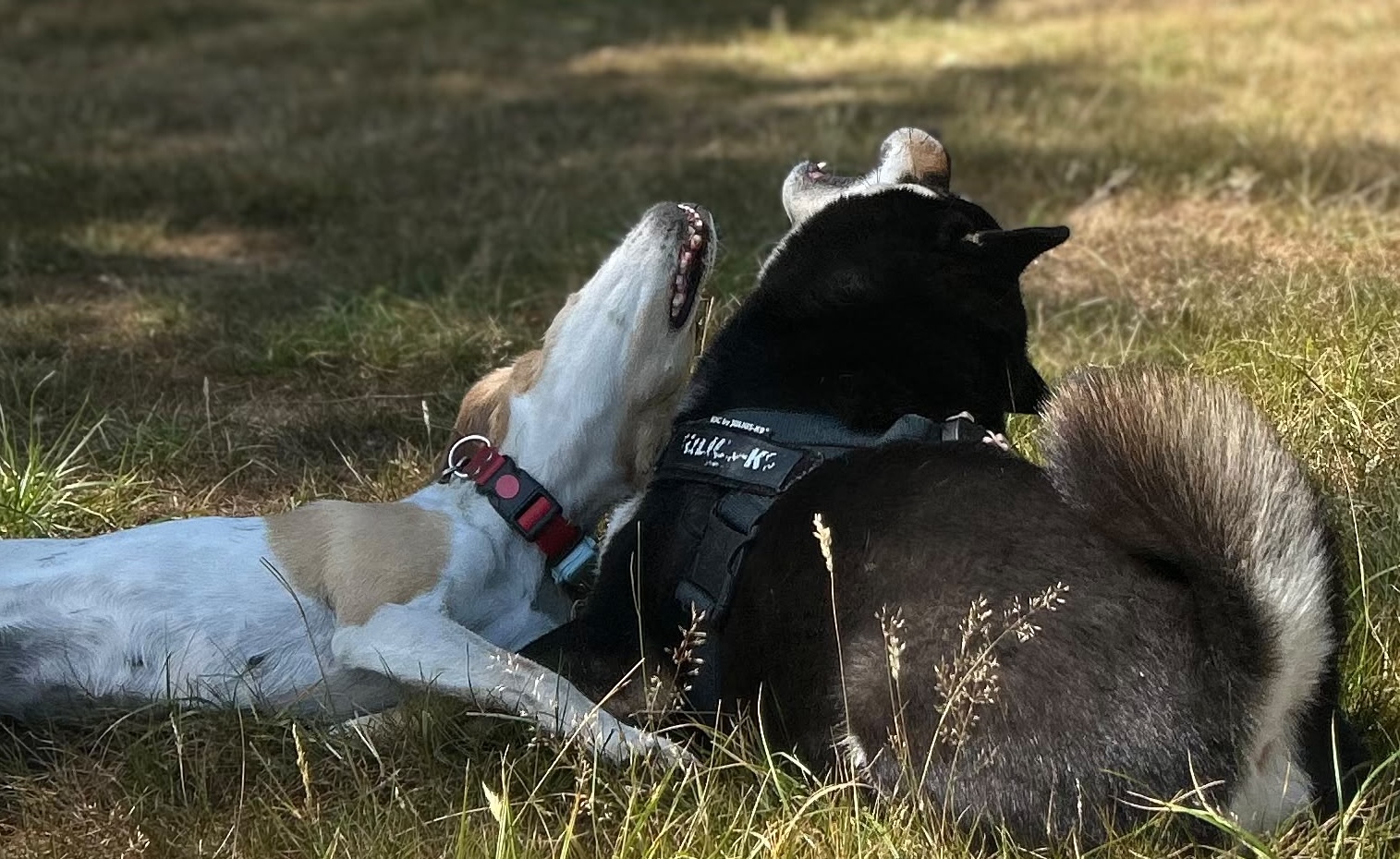
London has a booming specialised canine café scene. “Dog friendly” here often means treats behind the counter, a water bowl by the door, and staff who greet your dog by name before they greet you.
Pawsitive Café on Westbourne Grove in W2 serves a wellness-inspired menu for humans alongside a dedicated dog menu. CuppaPug in Hackney E8 pairs coffee with pup socialisation. Snuffle Dog Café and Wine Bar in Sydenham caters to owners who want a glass of wine while their dog works through a snuffle mat. In Chelsea, several spots along the King’s Road welcome dogs indoors year-round, and around Soho you’ll find a few cafés with dog-specific seating areas during quieter hours. For weekends, Columbia Road Flower Market is a dog-friendly market where you can browse stalls with your dog at heel.
Classic pubs remain some of the best places to bring a dog. In Angel, Borough, and Hampstead, you’ll find cosy corners, dog biscuits on the bar, and landlords who know the regulars by breed. The sort of place where nobody bats an eye at a muddy Labrador under the table.
Rainy days open up other options. Pet boutiques like Verve London in W11 combine shopping with a café. The Brunel Museum allows dogs on alternate weekends. Picturehouse cinemas host dog-friendly movie events. Locke hotels offer a WOOF Package for dogs, and dog-friendly hotels across the city provide welcome treats and cosy beds; London has numerous dog-friendly hotel options if you need an overnight visit. On etiquette: keep dogs under control, avoid the bar area with nervous or large dogs at peak times, and respect any venue that limits access. From our experience, rescue dogs and shy pups do best at quieter cafés during mid-afternoon lulls, when there’s less chance of trouble from sudden noise or crowds.
Dog Services in London: Walking, Daycare, and More
Over half of London’s dog owners live in flats without a garden. Add a commute that eats two hours a day and an office that doesn’t allow dogs, and the problem is clear: your dog needs exercise and company while you’re gone.
The main services available in the city break down into dog walkers (group or solo), daycare centres, home-boarders, trainers, and groomers. A typical weekday for a dog using these might look like this: owner leaves at 8 am, walker collects the dog at 10, walks for an hour in a matched group, drops the dog home with fresh water by noon, and the dog can sleep through the afternoon until the owner returns at night.
At Green Dog Walking, we run small groups of three to five dogs, matched by size, temperament, and energy. We pick up from the house, walk GPS-tracked routes, and send photo updates so owners don’t miss a thing. Puppies get shorter, calmer walks of 20 to 30 minutes with gentle socialisation. Senior dogs walk at their own pace on flat ground. Large dogs needing structured exercise go out with handlers experienced in strong breeds and different breeds with high drive. Preparing your dog for daycare or walking starts with understanding what each dog needs.
A scenario we see each week: a software analyst in Canary Wharf books five lunchtime group walks Monday to Friday and a longer solo walk on Saturdays in Victoria Park. That structure keeps the dog fit, socialised, and settled. When choosing any provider, check for public liability insurance, first-aid training, DBS-checked staff, and clear communication about group sizes and routes. Ask for references from owners of a suitable breed or size match for your dog.

Rescue, Abandoned Dogs, and Responsible Ownership
Dogs Trust currently cares for roughly 1,500 dogs at any time, with an average shelter stay of 58.5 days at a cost of about £57.57 per day per dog. Since the pandemic, surrenders have risen as the cost of living and lifestyle changes left some owners unable to cope. Abandoned dogs remain a real issue in the UK capital.
Consider an example: a medium-sized crossbreed, around three years old, found abandoned in SW London with no microchip. Malnourished, left tied to a railing. A local charity took her in, provided vet care, and placed her in foster. Two months later, she was rehomed to a family in Hackney. That story carries both the bad and the hope. Not every abandoned dog gets that chance.
Responsible ownership means planning before adopting. Microchipping has been a legal requirement in England since April 2016. Register with a local vet, arrange pet insurance, and think honestly about how you’ll feed, walk, and care for a dog around a London lifestyle and a full-time job. If you haven’t heard it said plainly: do not get a dog from any breeder or rescue without a plan for who will walk it, where it will sleep, and what happens when you travel. For dog lovers who can’t commit to full-time ownership, fostering through a local rescue, volunteering, or sponsoring kennel space all add real support. Browse options at UK dog rescues and charities to find one near you.
Green Dog Walking works with rescue dogs regularly. We use positive reinforcement, safe handling, and patience with dogs that carry difficult histories from their past. Regular professional walking can help prevent abandonment by making city ownership more manageable for owners who might otherwise feel overwhelmed.
Exploring London with Your Dog: Transport and Day Trips
Dogs travel free on the London Underground, buses, and most trains. TfL’s Conditions of Carriage require dogs on a lead or in a carrier; they shouldn’t sit on seats. Carry small dogs on escalators if possible. Avoid rush hour if your dog finds crowds stressful, and bring leads suited to close control in busy stations.
For day trips, Richmond Park spans 2,500 acres and sits about 40 minutes from central London by District line and bus. It’s a place where your dog can cover real ground, though leads are required during deer birthing season in spring. Epping Forest covers 8,000 acres and is reachable in 45 minutes via the Central line to Theydon Bois; its shaded trails suit dogs who find open heat a bit much. Sections of the Thames Path near Greenwich offer flat, accessible riverside routes for senior dogs or a pup still building stamina.
Pack water, a collapsible bowl, poo bags, a towel, and a lightweight lead. Seasonal rules change, so check before you head out. Regular walks with Green Dog Walking help build recall skills and fitness, which makes these weekend adventures safer and more enjoyable for everyone.
How Green Dog Walking Supports Dog Lovers in London
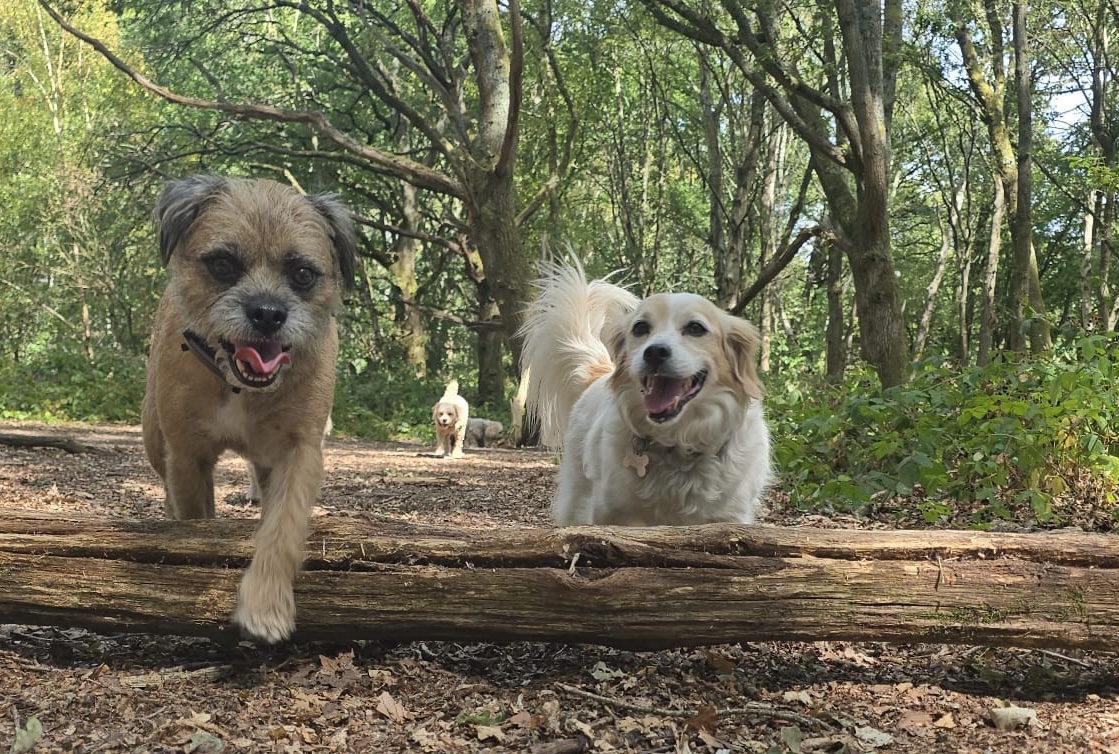
We’re a locally based, welfare-focused service helping owners give their dogs a full life in this city. Our walking and daycare services cover boroughs across Zones 1 to 3, including Westminster, Camden, Islington, Hackney, Southwark, Lambeth, and Wandsworth. We run regular group walks in named parks, solo walks for nervous or large dogs, puppy visits, and holiday cover.
New clients start with a free meet-and-greet, either at home or in a nearby park. We assess temperament, energy, health, and any specific needs before agreeing a tailored plan. Ongoing communication runs through WhatsApp or email: daily photos, route updates, and honest notes on how your dog is getting on. We handle keys securely and maintain clear cancellation policies.
Our values are straightforward: kindness to dogs, reliability for owners, and a genuine love for making London a better place for dogs to live. If you’re looking for support, get in touch.
Building a Better London for Dogs Together
London keeps getting better for dogs. More green space, more welcoming venues, and a growing community of owners who take welfare and joy equally seriously. That progress depends on responsible ownership, support for local rescues, and honest planning before bringing a dog into your life. Finally, if you need help caring for a dog in London, or you’re thinking about adopting and want to know what’s involved, reach out to Green Dog Walking. We’ve been here since 2013, and we’re not going anywhere.