Hampstead Heath is one of those rare places where London genuinely feels wild. Spanning roughly 320 hectares of rolling hills, dense woodland, and open meadows, it sits approximately 4 miles from central London yet feels a world apart from the streets below.
Hampstead Heath at a glance
Hampstead Heath Park London is a vast, hilly 790-acre green space in north London, about 4 miles from central London, with ancient woodlands, wildflower meadows, more than 30 ponds, and some of the city’s best views. It’s one of the largest and most ecologically varied parks in Greater London, and it feels far closer to countryside dropped into Zone 2 than to a manicured city park.
The Heath is made up of several distinct areas: Parliament Hill and its surrounding fields to the south, the Kenwood Estate and Kenwood House to the north, the swimming ponds and Highgate ponds on the east side, Hampstead ponds in the heath’s south-west corner, and the quieter stretches of West Heath, Sandy Heath, and the Hampstead Heath Extension to the north-west. Golders Hill Park, the Hill Garden and Pergola, and nearby Highgate Woods round out a network of connected green spaces that together form something genuinely special, so whether you’re visiting London to walk, picnic, swim, explore wildlife, or find a good dog-friendly park, this guide will help you understand how the Heath is laid out and which parts will suit you best.
It feels like countryside in the city – woodland trails, reed-fringed ponds, sweeping hilltop views – and that’s exactly why Hampstead Heath matters to so many Londoners and visitors looking for nature, space, and outdoor recreation without leaving the capital. At Green Dog Walking, we regularly walk dogs across the Heath and consider it one of north London’s finest spots for dogs and people alike.
You’ll also find the practical details that make a visit easier, including the Heath’s history, notable areas such as Parliament Hill and Kenwood, its swimming ponds, wildlife and conservation, and the activities and sports available across the site. A few key numbers worth knowing: Parliament Hill stands at approximately 98 metres above sea level, making it one of London’s highest points. The Heath contains 25 or more ponds. The City of London Corporation has managed Hampstead Heath since 1989. There are 16 different sports activities available across the site, from football to orienteering.
History and heritage of Hampstead Heath
The Heath’s story stretches back far longer than most people realise. Humans have lived in the Hampstead Heath area for over 5,000 years – Mesolithic tools and charred stones have been found here dating to around 7000 BCE. The earliest written record of Hampstead dates to 986 AD, when King Ethelred the Unready granted land at “Hemstede” to Westminster Abbey. By the time of the Domesday Book in 1086, the Manor of Hampstead was firmly in the Abbey’s hands.
Hampstead Heath was acquired by the Wilson family in 1767. During the early 19th century, the Maryon-Wilson family attempted to develop the land through parliamentary bills in 1829–1830, but fierce local opposition stopped them. The Hampstead Heath Protection Fund Committee was formed in 1866, and by 1870 the Metropolitan Board of Works bought Hampstead Heath for £45,000, securing it for public use. Parliament Hill Fields became part of Hampstead Heath in 1888. Golders Hill Park followed in 1898, and the Hampstead Heath Extension was saved from suburban sprawl in the early 1900s, largely thanks to Henrietta Barnett’s campaign.
A proposed railway tunnel under the Heath in 1900 sparked concerns about damage to trees and ponds. Though eventually approved in 1902, the line – now part of the Northern line – opened to Golders Green in 1907 without the feared catastrophe. Management passed through London County Council and the GLC before landing with the City of London Corporation in 1989. More recent milestones include the formation of Heath Hands in 1999 and the Heath’s designation as an Urban Quiet Park in 2021.
The Heath has drawn artists and writers for centuries – Constable painted Branch Hill Pond, Keats walked here, and figures from Karl Marx to George Orwell found inspiration in its landscapes.
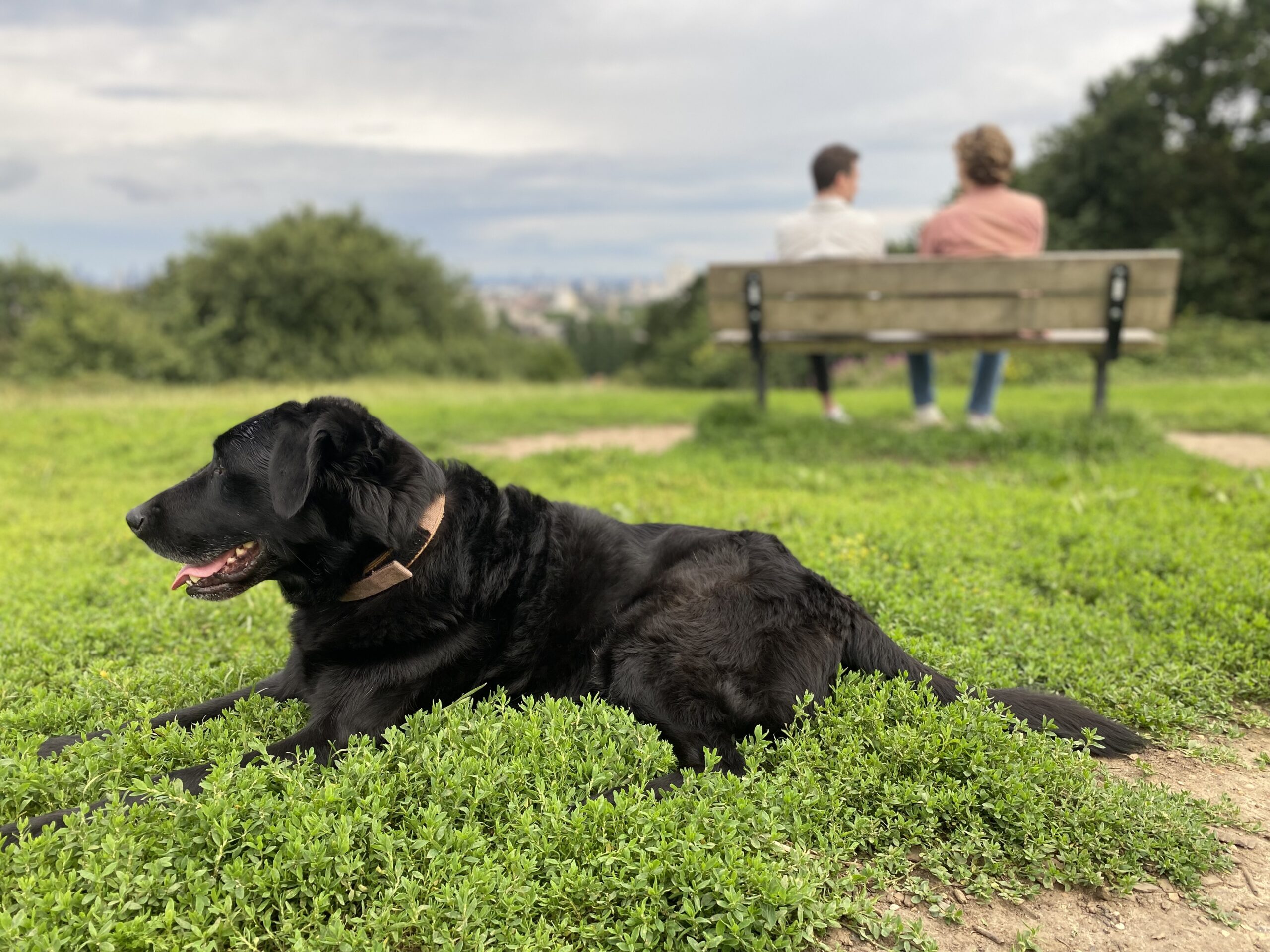
Layout of Hampstead Heath and its green spaces
Hampstead Heath is not a single lawned park. It’s a patchwork of distinct landscapes, each with its own character, connected by a web of paths through woodland, open grassland, and heathland. Hampstead Heath includes extensive walking paths and ancient woodlands that wind through the entire site.
The central heath features undulating grassland and mature oak woodland. To the south lie Parliament Hill Fields – a large, open, grassy public space used for sport and recreation. North of centre, the Kenwood Estate provides a more formal, landscaped counterpoint. On the east side, the chain of Highgate ponds stretches along the vale between East Heath Road and Highgate, a useful location marker for orienting yourself within the Heath. To the south-west, the Hampstead ponds cluster near Heath Street and the surrounding neighbourhood.
West Heath and Sandy Heath, located to the north west, are wilder and more secluded – heather, gorse, and sandy soils create a landscape that feels remarkably remote. The Hampstead Heath Extension, beyond the main heath toward Golders Green, retains old hedgerows and field boundaries from its farming past.
Adjoining spaces connect naturally: Golders Hill Park links to West Heath; the Hill Garden and Pergola sit on the western edge; and Highgate Woods lie a short walk to the north-east, forming part of a wider corridor of recent and ancient woodlands. Paths are well signed, and free maps are available from the London Corporation or online. A route combining open views, woodland, and ponds makes the most of a visit.
Highlights: Parliament Hill and Parliament Hill Lido
Parliament Hill is one of London’s best viewpoints and a hub for outdoor life, with open space that supports both physical and mental health. The climb to the top – about 98 metres above sea level – rewards you with sweeping views of St Paul’s Cathedral, the Shard, Canary Wharf, and the BT Tower. Strong winds at the summit have earned it the nickname “Kite Hill,” and on breezy afternoons you’ll see kites of every description sailing overhead.
Parliament Hill offers excellent views of the London skyline, but the surrounding fields are just as much the draw. Large grass pitches host football, rugby, and cricket. Hampstead Heath features an athletics track and tennis courts here, along with children’s playgrounds and a training track for runners. There are cafés and kiosks near the south-east edges of the fields, handy for refuelling mid-walk.
Parliament Hill Lido is a 60-metre unheated open-air pool opened in 1938, stainless-steel lined and open year-round. The lido is popular with cold-water swimmers and early-morning regulars who come in all seasons. Summer sessions run from around May to late September with a mix of bookable and drop-in slots, while winter hours are shorter. Dogs aren’t allowed in the pool area, so it’s one to enjoy on your own time. Check the City of London website for current times and ticketing.
Kenwood Estate and Kenwood House
The Kenwood Estate forms the northern crown of Hampstead Heath – around 50 hectares of landscaped grounds surrounding a former stately home that now houses one of London’s finest free art collections. Kenwood House manages a renowned art collection and is located on the northern edge of the Heath.
The house itself is a 17th-century stately home remodelled by Robert Adam in the 18th century, its neoclassical façade overlooking rolling lawns and woodland. Inside, works by Vermeer, Rembrandt, Gainsborough, and Turner hang in beautifully restored rooms. Kenwood House was bequeathed to the nation in 1927, and the estate grounds opened to the public shortly after. Entry to the house and grounds is free.
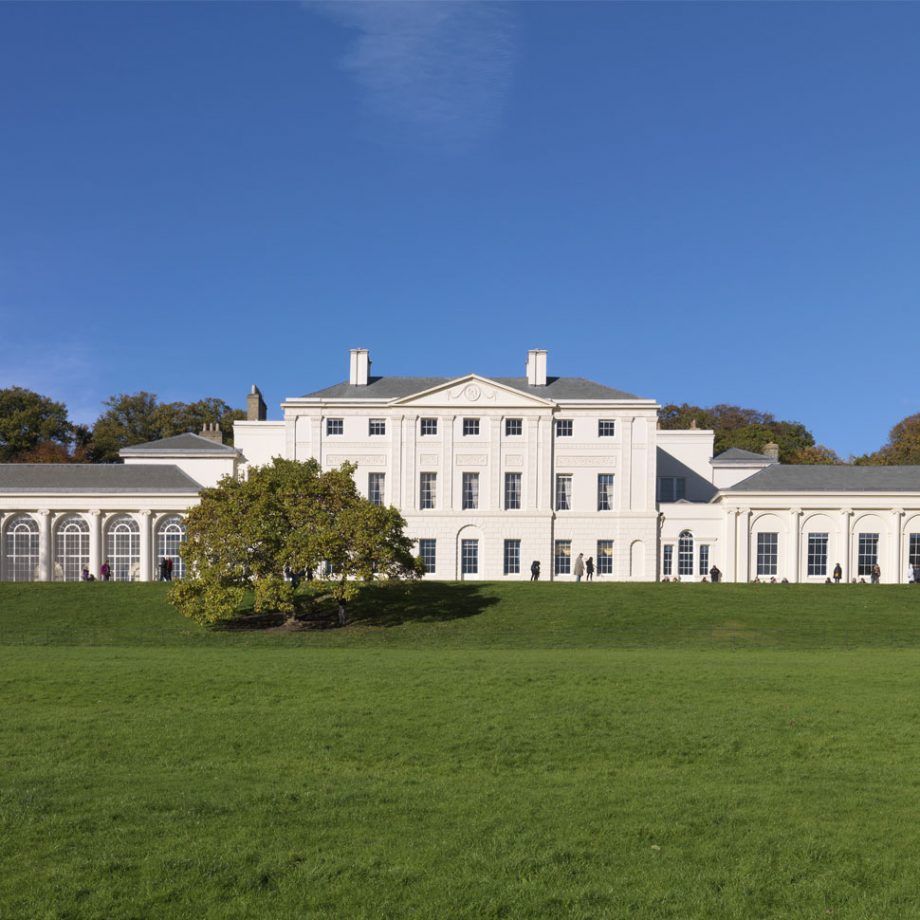
The landscape here contrasts markedly with the wilder central heath – formal lawns sweep down to lakes, framed by woodland belts with views across London. Summer concerts have historically taken place on the lawns, and there are family-friendly trails and seasonal activities. Dogs are welcome in the grounds on leads in some areas, and at Green Dog Walking we often include Kenwood Estate paths in longer Hampstead Heath dog walks.
A good circuit: arrive via Hampstead or Golders Green, walk through the heath to Kenwood, visit the house and café, then loop back via West Heath or Parliament Hill.
Bathing ponds, Highgate Ponds and Hampstead Ponds
Hampstead Heath’s bathing ponds are unique in London – historic reservoirs turned into natural open-water swimming spots, fed by the Fleet River’s headwaters. Hampstead Heath features a chain of historic ponds originally built as reservoirs, and they remain central to the Heath’s identity.
The two main pond groups sit on opposite sides of the heath. The Highgate ponds line the eastern edge, while the Hampstead ponds occupy the middle and southwest. Outdoor swimming is available in separate men’s, women’s, and mixed ponds: the Men’s Pond and Ladies’ Pond sit within the Highgate ponds chain and are open year-round, while the Mixed Pond near East Heath operates seasonally from around April to October.
All three swimming ponds are lifeguarded, with a mix of bookable and drop-in sessions in summer. The water is unheated and natural – expect cold temperatures, particularly in winter, and slightly opaque water. There are also wildlife ponds, a model boating pond, and fishing ponds within the chains; some areas are protected for nature and off-limits to swimming.
Dogs are not allowed in the bathing ponds or on the swimming platforms. At Green Dog Walking, we keep dogs well away from the water to protect both wildlife and water quality. For current opening times, safety rules, and weather-related closures, check the City of London Hampstead Heath page before your visit.
West Heath, Sandy Heath, Hill Garden and Pergola, and Golders Hill Park
The western side of Hampstead Heath is where formal gardens meet wild heathland, and it’s one of the quietest parts of the whole site.
West Heath is a more secluded, wooded area rich with heather, gorse, and quiet paths winding through mature trees. It’s ideal for longer, peaceful walks – and for dogs who benefit from varied terrain and natural enrichment away from the busiest central lawns.
Sandy Heath sits to the north-west, its distinctive sandy ridge and undulating ground giving it an almost countryside feel. Scattered ponds and ancient trees make this a favourite for those who want a sense of remoteness while still being in the middle of London.
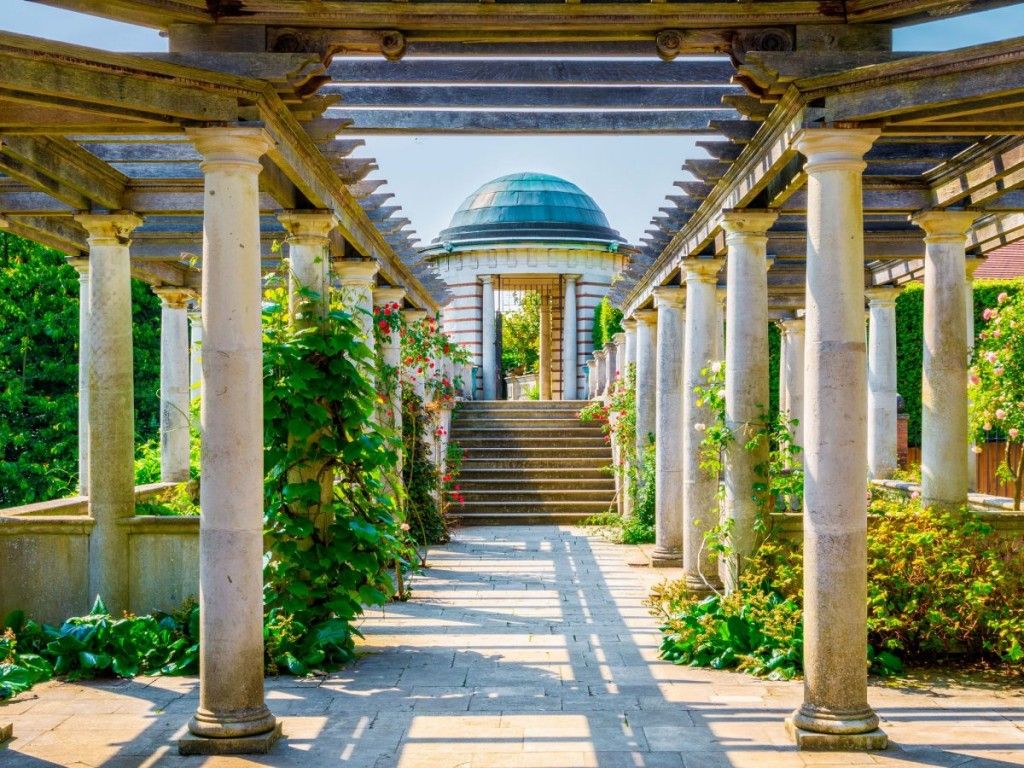
The Hill Garden and Pergola – a Grade II listed terrace designed around 1906 for Lord Leverhulme – is a genuinely surprising find. Stone colonnades draped with climbing plants, elevated views over West Heath, and a quiet elegance that feels distinctly un-London. Access is free during daytime hours; the pergola is locked at night.
Golders Hill Park features gardens, a tennis court, and a small animal enclosure – plus a zoo, butterfly house (typically open in warmer months), duck pond, playgrounds, and a café. It’s fenced and closed at night. Families often pair a visit to Golders Hill Park with a stroll into West Heath. Dogs are welcome on the open lawns and wooded paths, though the zoo and some garden areas are restricted.
At Green Dog Walking, we frequently use routes linking Golders Green, Golders Hill Park, West Heath, and the Hill Garden and Pergola for variety and enrichment. After a walk, the Holly Bush pub is a historic nearby Hampstead stop.
Hampstead Heath Extension, Highgate Woods and surrounding green spaces
Beyond the main heath, a wider network of green spaces makes this part of north London unusually leafy.
The Hampstead Heath Extension lies north-west of the main site – open fields and tree-lined avenues saved from development in the early 20th century. It connects to suburban streets near Golders Green and offers a quieter alternative to the central heath, especially popular with local dog walkers and families. Conservation grazing with rare breed sheep has been introduced here to restore acid grassland.
Highgate Woods, a short walk beyond Highgate village to the north-east, is a 70-acre fragment of ancient woodland – one of the last remnants of the Forest of Middlesex. Oak, hornbeam, and holly dominate, with bluebells carpeting the floor in spring. There’s a café, play area, and waymarked nature trails.
Together, these spaces form a corridor of habitat for birds, bats, hedgehogs, and other wildlife, giving Londoners access to extensive countryside without leaving the city. At Green Dog Walking, we use both the heath and surrounding parks for varied, low-impact walks that avoid crowding sensitive areas.
Wildlife, nature conservation and Site of Special Scientific Interest
Parts of Hampstead Heath – specifically Kenwood’s Ken Wood and North Wood – are designated a biological Site of Special Scientific Interest (SSSI) due to their rare deadwood invertebrate communities and veteran tree populations. Hampstead Heath has over 700 veteran trees across the site.
The main habitats include ancient woodland, acid grassland, heathland, and ponds and wetlands. Some 650 wildflower species have been recorded here. 180 bird species have been recorded on Hampstead Heath, alongside 9 species of bats, 25 butterfly species, and 18 dragonfly and damselfly species. Hampstead Heath contains 30 environmentally important ponds. It has the largest hedgehog population in London – a distinction worth protecting.
Current conservation work includes pond restoration, meadow management, heathland restoration, and hedgerow planting. Volunteer groups like Heath Hands lead much of this effort. For visitors and dog walkers, the basics matter: stick to paths in sensitive areas, keep dogs out of ponds and wildlife enclosures, and follow seasonal signage for ground-nesting birds. The Hampstead Heath Constabulary helps with both education and enforcement, keeping the balance between recreation and conservation.
Practical information: access, transport and visiting tips
Hampstead Heath is open 24 hours a day, year-round, though facilities like Golders Hill Park, the Hill Garden and Pergola, bathing ponds, the lido, and Kenwood House have specific opening hours. Hampstead Heath is approximately 4 miles from central London and sits in Zone 2 on public transport.
Hampstead Heath station is located at the south-west corner of the heath (London Overground), convenient for Hampstead ponds and the surrounding area. Gospel Oak station is to the south-east, ideal for Parliament Hill, the lido, and Highgate ponds.
Several tube stations serve Hampstead Heath, including Hampstead and Golders Green on the Northern line. Hampstead station works well for East Heath and West Heath; Golders Green for the Extension, Golders Hill Park, and Kenwood Estate. Belsize Park serves Parliament Hill and the central heath. From Camden Town, the Northern line gets you there quickly.
Bus routes 268, 168, 210, and C11 serve the area around the heath’s edges – a journey planner app will give you the most current routes from York Road, South London, or wherever you’re starting.
Cafés and toilets are located near major entrances, playgrounds, and at Kenwood House. Main paths are well surfaced, but expect steep, muddy tracks in woodland areas – proper boots are wise in winter. Early mornings are the most peaceful time to visit, and sunrise from Parliament Hill is worth the alarm. On sunny summer weekends, the heath gets busy.
For dog owners: leads are recommended near roads, car parks, and where livestock is present. If you’re a busy London dog owner who wants your dog to enjoy the best of the heath safely and regularly, Green Dog Walking’s structured pack walks cover these routes and more. Whether you’re after panoramic views, a cold-water swim, or a proper walk through some of London’s most remarkable green spaces, Hampstead Heath delivers on every count.