London heatwaves are no longer rare events. When temperatures soar across the city, our four legged friends need more than a shady spot under a bench. Here are our top tips for keeping dogs cool safely, drawn from over a decade of walking dogs through every kind of London summer.
Quick-start: 5 key ways to keep your dog cool in a London heatwave
Recent summers have seen London regularly hit 30–35°C, with the 2022, 2024 and 2026 heat spikes catching many pet owners off guard. Urban dogs overheat fast – dense housing, dark pavements, and limited airflow create pockets of extreme heat that linger well into the night. Dogs can overheat even at temperatures as low as 16.9°C when exercise is involved, so complacency on a “mild” warm weather day is a real risk. Major UK animal charities now advise a temporary “dog lockdown” during peak heat for good reason.
These are our five “do this today” tips from Green Dog Walking:
1. Keep your dog cool with constant access to fresh water. Set up hydration stations throughout the home – multiple water bowls in shaded spots, topped up with a few ice cubes when temps climb above 26°C. Always carry water and a portable dog safe water bottle on walks and car trips. Fresh water should be provided with ice cubes to keep it cool throughout the day.
2. Walk at cooler times. Stick to early morning walks before 8:30am or late evening outings after 8pm during July and August. Avoid walking during the hottest part of the day entirely. Dog owners should skip walks during extreme heat whenever possible – one or two missed walks won’t harm a healthy dog.
3. Use cooling aids at home. Cooling mats help regulate a dog’s temperature, and damp towels create cool resting spots on tiled or wooden floors. Keep curtains closed on south-facing windows and use fans angled across the room (never blowing directly into crates).
4. Offer dog safe frozen treats. Frozen carrot sticks, ice cubes made from low-salt chicken broth, and stuffed Kongs frozen overnight keep dogs cool and mentally occupied indoors. Frozen treats can lower a dog’s core temperature while replacing missed-walk stimulation.
5. Let them paddle or swim in safe water spots. Supervised water play at London’s dog-friendly parks is one of the best ways to help a dog stay cool. We’ll cover specific locations below.
Missing or shortening walks during a heatwave is always safer than risking heat stroke, especially for flat faced dogs and older dogs with thick coats.
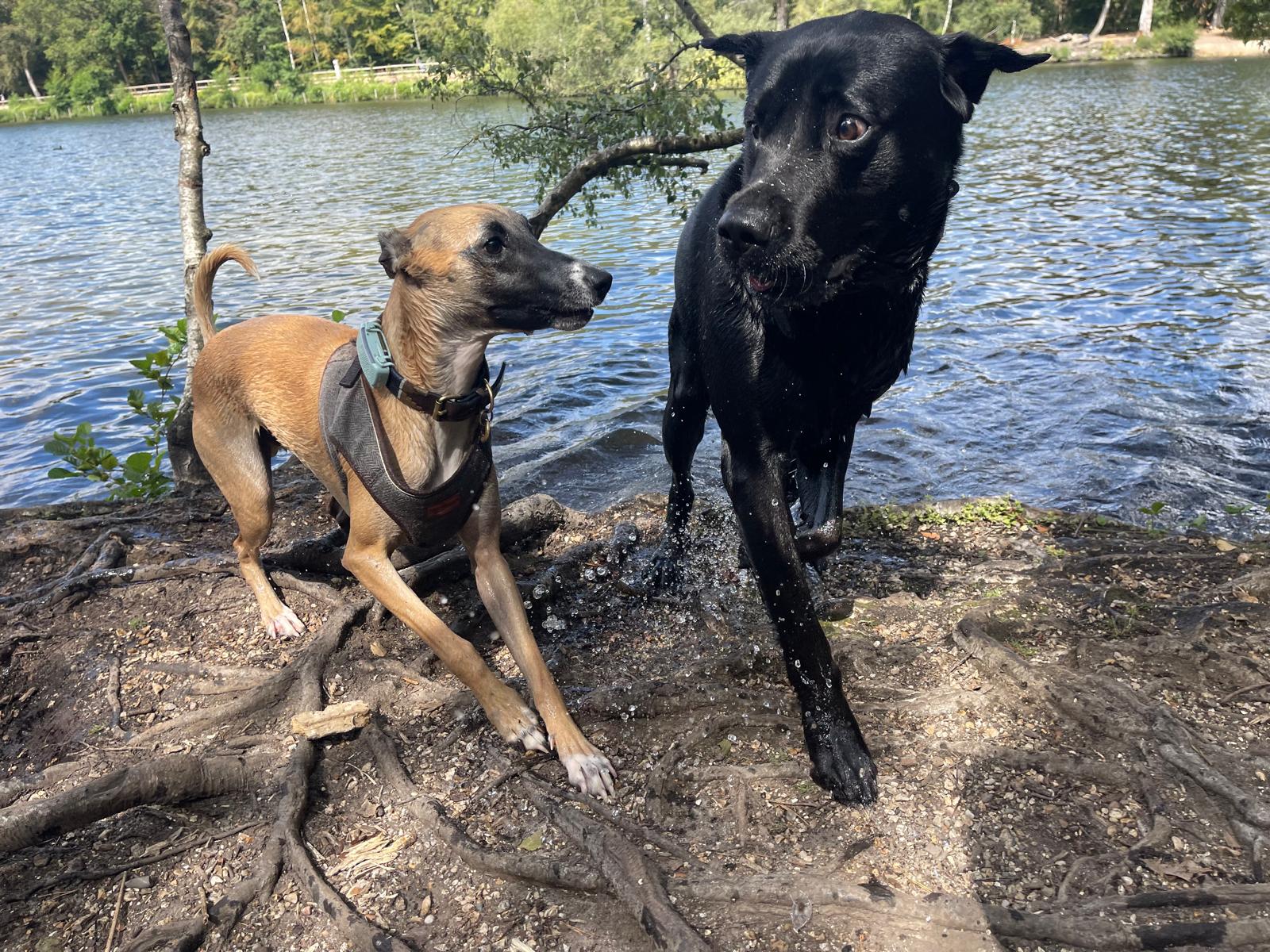
Hydration essentials: fresh water, shade and indoor comfort
Dogs cool primarily by panting and through their paw pads – they have almost no sweat glands elsewhere. This makes dehydration a fast track to heat related illness. London’s dense housing and flats can trap stifling hot air overnight, so even indoor spaces can become dangerous without proper air conditioning or ventilation.
Best practice for drinking water provision during hot weather:
- At least two bowls per dog in different rooms, kept out of direct sunlight
- Ceramic or stainless-steel bowls stay cooler than plastic and reduce bacterial growth
- Clean and refill several times daily – dogs need constant access to fresh, cool water
- Add a few ice cubes when dogs are healthy and relaxed; avoid if a dog is already showing heat stress signs
- Portable water bottles are essential for walks and trips on public transport
For dog owners in flats without gardens, create a “cool room” with curtains closed, windows open for cross-ventilation, and a fan circulating air across the space. Indoor spaces can trap stifling heat without proper air conditioning, so active cooling matters. Dogs enjoy lying on cool tiles during hot weather – if you have tiled flooring, that’s a natural resting spot.
When it’s too hot for a proper walk, swap in indoor enrichment: snuffle mats, scatter feeding, scent games, or gentle training sessions of 5–10 minutes. Dogs should always have access to a cool, shaded resting area away from household bustle – especially brachycephalic breeds, seniors, and any dog in a high risk category.
Walking in a London heatwave: cooler times, safe routes and city surfaces
London’s pavements, tarmac, and artificial sports pitches absorb heat ruthlessly. On a 30°C day, ground temperature on dark surfaces can reach 50–60°C in direct sunlight – more than enough to burn a dog’s paws within seconds.
Here’s how we think about walking dogs in hot days across London:
| Forecast temperature | Walking guidance |
|---|---|
| 20–22°C | Walk early or late; stick to shaded areas |
| 24–25°C | Very short toilet breaks only for most dogs |
| 28°C+ | Flat faced dogs and seniors safest skipping walks entirely |
The 5-second tarmac test helps check pavement temperature for dogs: place the back of your hand flat on the surface for five seconds. If pavement is too hot for your hand, it is too hot for your dog’s paws. Check pavement temperature before walking your dog every time during the summer months.
Choose grass routes through places like Hampstead Heath, Epping Forest edges, or along shady stretches of the Thames Path. Avoid exposed parts of the South Bank, open plazas, and sunny bridges with no shade. Long waits at sunny bus stops or station forecourts with dogs are a hidden risk many owners overlook.
On public transport, avoid rush hour on hot days, seek air-conditioned carriages, never let a dog lie on hot metal or rubber floors, and always carry water and a collapsible bowl.
Limit walks to cooler parts of the day during heatwaves. Walk your dog during early mornings or late evenings – and remember that most UK heat related illness in dogs is actually exercise-induced, even at moderate temperatures.
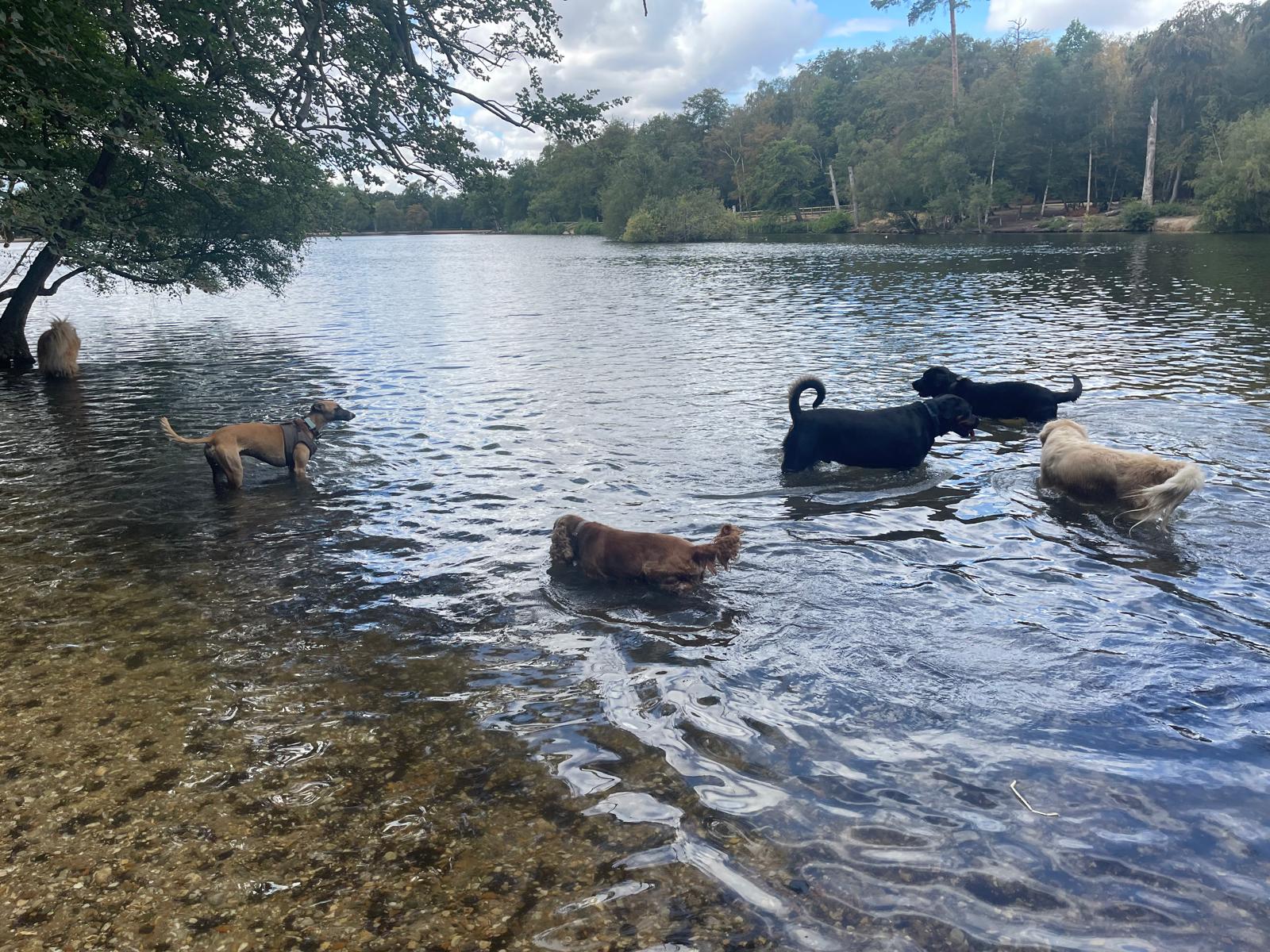
Water fun in London: dog-safe parks with ponds and paddling options
Supervised water play is one of the most effective ways to help a dog stay cool, but owners must choose dog safe locations and respect local rules, which can change seasonally.
Here are London spots where dogs can usually paddle or swim – always check current signage and council guidance before visiting:
- Hampstead Heath dog ponds – The Vale of Health Pond and Highgate No.1 Pond have designated dog swimming areas, separated from human bathing and wildlife zones. These are some of London’s best-known dog walking parks.
- Wimbledon Common – Ponds and Beverley Brook allow dogs outside spring nesting season. Check for on-lead requirements near ground-nesting bird areas.
- Trent Country Park (Enfield) – Lakes where local dogs swim regularly with no reported restrictions.
- Hollow Pond, Epping Forest – Shallow edges accessible for dogs; good for tentative swimmers.
Create shaded areas outdoors for dogs to rest between water sessions. Never force a reluctant dog to swim, keep them on a long line if recall is unreliable, and always avoid areas with blue-green algae warnings – these toxic blooms are common during humid weather and heatwaves.
Offer cold water that’s cool rather than ice cold for swimming and drinking. After water play, towel-dry ears and skin folds to reduce infection risk.
At home, dogs can enjoy water play in a shallow paddling pool placed in the shade on a patio or garden. Use non-slip mats so excited dogs don’t injure themselves, and limit very intense fetch games in extreme heat.
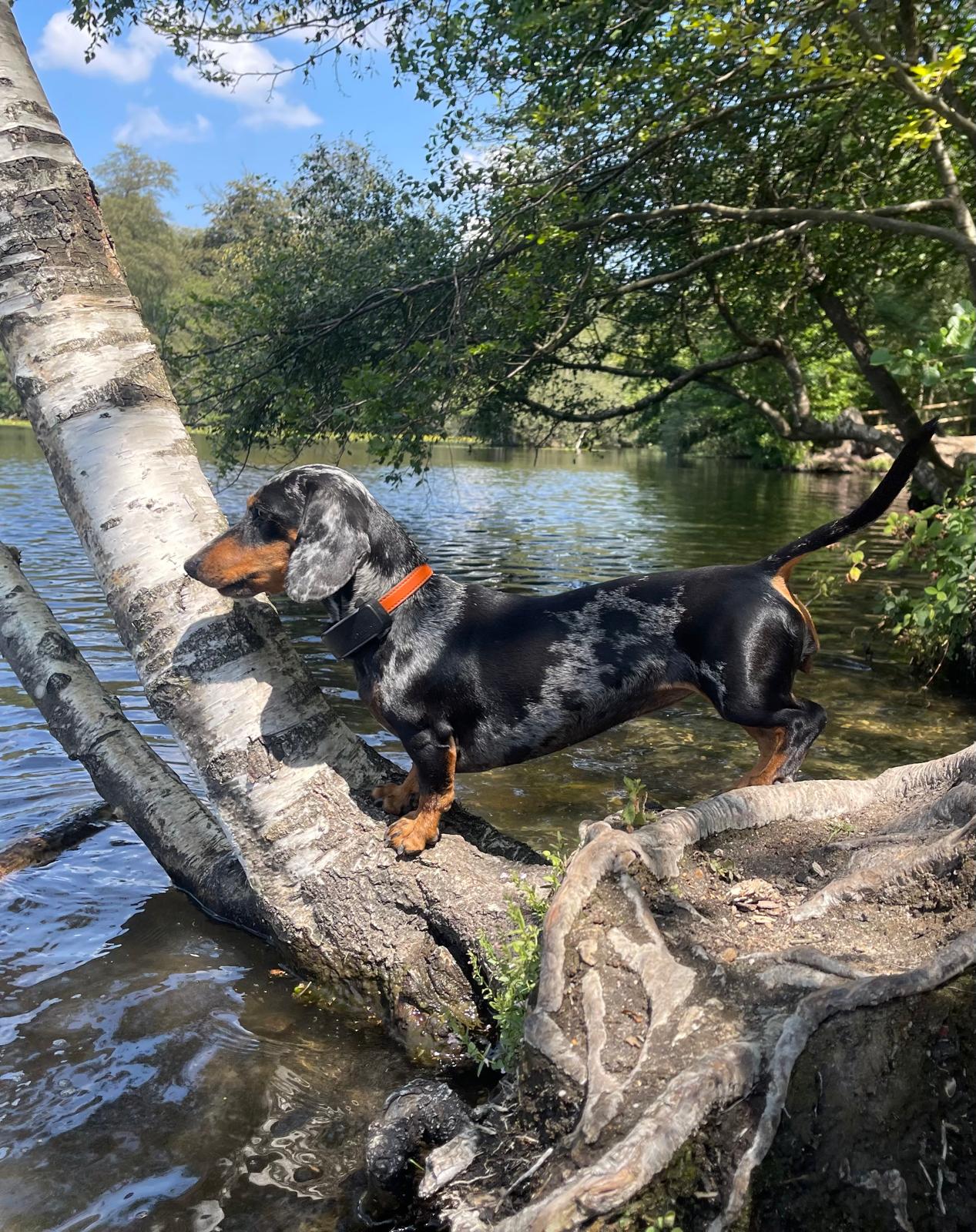
Home cooling hacks: cooling mats, damp towels and flat-faced dog care
Many London homes – especially top-floor or south-facing flats – can be hotter indoors than outside during the hottest parts of the day. Temperatures inside can climb to dangerous levels without active cooling, making planned cool spots essential for your dog’s health.
Cooling mats: Choose good-quality gel mats that can be self-cooling or require chilling beforehand. Place them in a shaded space with some airflow, introduce them gradually so nervous dogs build a positive association, and supervise chewers. Quality mats stay 5–10°C cooler than ambient temperature. Cooling vests help regulate a dog’s body temperature through evaporation, and cooling bandanas are soaked in water to cool dogs down – but keep them wet and replace when dry, or they trap heat.
Damp towels: Lightly damp with cool water, laid flat for the dog to lie on – never draped over the body, which can trap heat. Damp towels provide a cool surface for dogs to relax on. Refresh regularly as they warm up. Close blinds to keep indoor resting spots cool across hot city afternoons.
Flat faced dogs need extra care. French Bulldogs, Pugs, Shih Tzu, Bulldogs, and Boxers have shorter airways that make panting far less efficient. These flat faces mean an increased risk of overheating – they should avoid strenuous exercise above about 20–21°C. Not all dogs handle heat the same way: overweight dogs, seniors, and dogs with heart or respiratory disease should be managed with the same strict limits. Certain breeds are more at risk for heatstroke in high temperatures, so know where your dog falls.
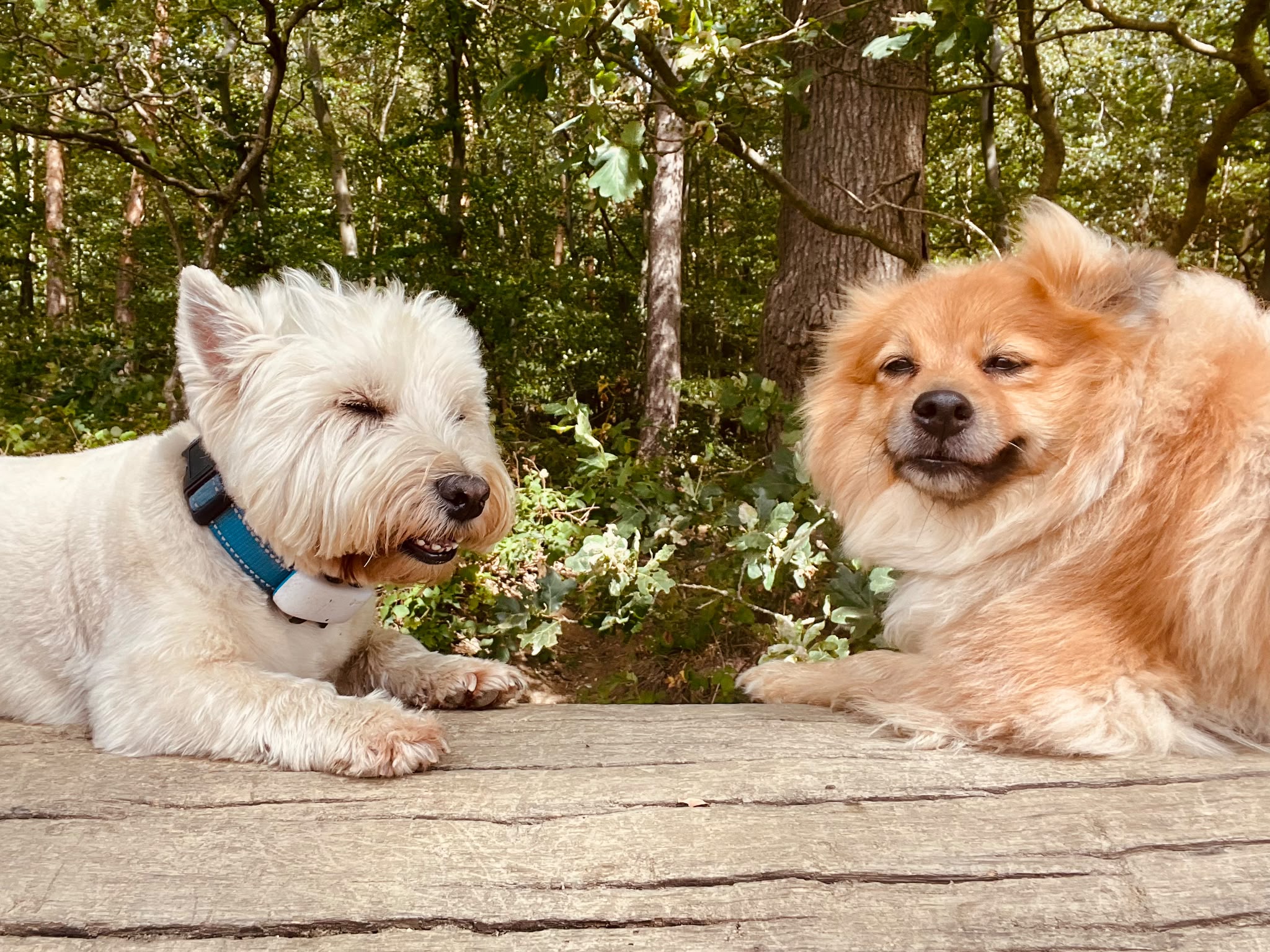
Dog-safe frozen treats and mental enrichment on hot days
Frozen treats both help keep your dog cool and replace missed walks with mental work – ideal during a heatwave when keeping your dog cool is the priority.
Simple dog safe frozen treat ideas:
- Ice cubes made from diluted low-salt chicken or beef stock
- Frozen mashed banana with water in silicone moulds
- Stuffed Kongs with wet food or soaked kibble, frozen overnight
- Dog safe pâté smeared on lick mats and chilled
- Frozen carrots or green beans as crunchy, low-calorie options
Introduce frozen treats gradually, supervise to prevent tooth damage, and adjust portions so dogs don’t gain weight while walks are shorter. For more enrichment ideas that work rain or shine, indoor games and scent work are brilliant alternatives.
Avoid toxic ingredients – no grapes, raisins, xylitol, chocolate, or high-salt meats. For dogs with pancreatitis or specific dietary issues, consult your vet for further advice before introducing new foods.
Recognising and responding to heat stroke and heat related illness
Heat related illness progresses through stages: heat stress, heat exhaustion, and heat stroke. A dog’s normal body temperature is between 38°C and 39°C. Heatstroke occurs when a dog’s temperature exceeds 40°C – and it’s a life threatening emergency. In severe cases, organ damage happens fast. The Kennel Club reports that about 1 in 7 dogs taken to vets for heatstroke do not survive, but dogs treated early have a 98% survival rate.
Early signs to watch for:
- Excessive panting – louder or faster than normal – is a common sign of heatstroke
- Bright red or pale grey gums indicate heatstroke
- Glazed eyes, heavy drooling, seeking shade
- Lethargy or restlessness can signal heatstroke in dogs
- Slowing down or lying flat unexpectedly
Advanced, urgent signs:
- Vomiting and diarrhoea are symptoms of heatstroke
- Wobbly walking or collapse can indicate severe heatstroke
- Confusion, seizures, or sudden refusal to move
Signs of heatstroke in dogs include excessive panting, drooling, and weakness – if you spot any combination, act immediately.
Step-by-step response:
- Move the dog to a shaded, breezy area
- Offer small amounts of cool water (not ice cold – this can constrict blood vessels)
- Pour lukewarm-to-cool water over belly, inner thighs, and neck
- Use fans if available
- Avoid ice baths entirely
- Contact a vet immediately – even if the dog seems to improve
Hot dogs – those already overheating – need careful, gradual cooling. For London, call the nearest open practice or 24-hour emergency hospital and begin transport only once initial cooling has started. Flat faced dogs, very young puppies, elderly dogs, and those with breathing issues deteriorate faster and need the quickest intervention. Healthy dogs can recover well with prompt action, but never wait to see if symptoms pass on their own.
How Green Dog Walking keeps dogs cool (and how we can help in London heatwaves)
At Green Dog Walking, we’ve been walking and caring for London dogs since 2013. Summer heatwaves have fundamentally changed how we plan walks across the city – and we think that’s a good thing.
During hot weather alerts, our operational approach shifts:
- Scheduling: We move group walks to cooler times – early morning or late evening – and reduce duration or intensity based on the forecast
- Routes: We prioritise shaded routes through grassy commons and tree-lined paths, avoiding exposed parts of the city, hot pavements, and direct sunlight on open plazas
- Swimming: As well as sticking to shaded areas, we spend a lot of our walking/daycare time during hotter days by the ponds so the dogs can have a lovely swim!
- Carrying essentials: Our walkers always carry fresh water, collapsible bowls, and cooling aids; we check council updates on pond safety and algae warnings before heading to water spots
Every walker on our team is trained to spot early heat stress signs – particularly in at-risk and flat faced dogs – and to take immediate action: rest, shade, water, and contacting owners and vets as needed. We never leave dogs in vehicles or exposed areas.
If you’re in our London service areas and need adjusted support during heatwaves – whether that’s shorter comfort breaks, pop-in visits, or tailored walks for vulnerable dogs instead of standard group sessions – get in touch. We’re here to help your furry friends through the summer months safely.
With sensible precautions, a bit of planning, and the right support, London dog owners can keep their dogs cool, happy, and safe all summer long.