It’s finally March. The air is slightly crisper, the evenings are stretching out, and the Great British countryside is calling. For many of us, there is nothing better than heading into the hills or across the local farmland with our best friend at our side.
However, March also marks a high-stakes time for our rural neighbours: lambing season.
Even if your dog wouldn’t hurt a fly and has a “sit” that would make a Crufts champion jealous, the countryside changes when livestock are involved. Whether you’re a seasoned hiker or a weekend wanderer, here is how to navigate our beautiful farmland safely and legally this spring.
1. The “My Dog is Friendly” Myth
We have all said it: “Don’t worry, he’s friendly! He just wants to play!” The hard truth? A sheep doesn’t know the difference between a playful Labrador and a hungry wolf. To a pregnant ewe or a new lamb, any dog—no matter how “good”—is a terrifying predator. The stress alone from being “played with” (chased) can cause sheep to abort their lambs or die from sheer exhaustion and heart failure.
The Tip: Even if your recall is 99% perfect, that 1% “squirrel brain” isn’t worth the risk. Use a lead. Always.
Find out more here
2. Know the Law: What is “Worrying”?
In the UK, “sheep worrying” is a serious criminal offence under the Dogs (Protection of Livestock) (Amendment) Act 2025. Many owners assume this only applies if their dog actually bites an animal, but legally, “worrying” includes:
- Chasing livestock in a way that could cause injury or suffering.
- Being at large (off-lead) in a field where there are sheep.
The penalties can be severe, including heavy fines and, in tragic cases, a court order for the dog to be put down.
Find out more here
3. The Farmer’s Right (The Bit No One Likes to Hear)
This is the part that every British dog owner needs to know, as heartbreaking as it is. Under UK law, a farmer has the legal right to shoot a dog that is worrying or about to worry their livestock if they believe it is the only way to protect their animals.
No farmer wants to do this, and no owner ever wants to experience it. By keeping your dog on a short lead, you are protecting them from the most “worst-case” scenario imaginable.
Find out more here
4. Path Etiquette: Stick to the “Yellow Arrows”
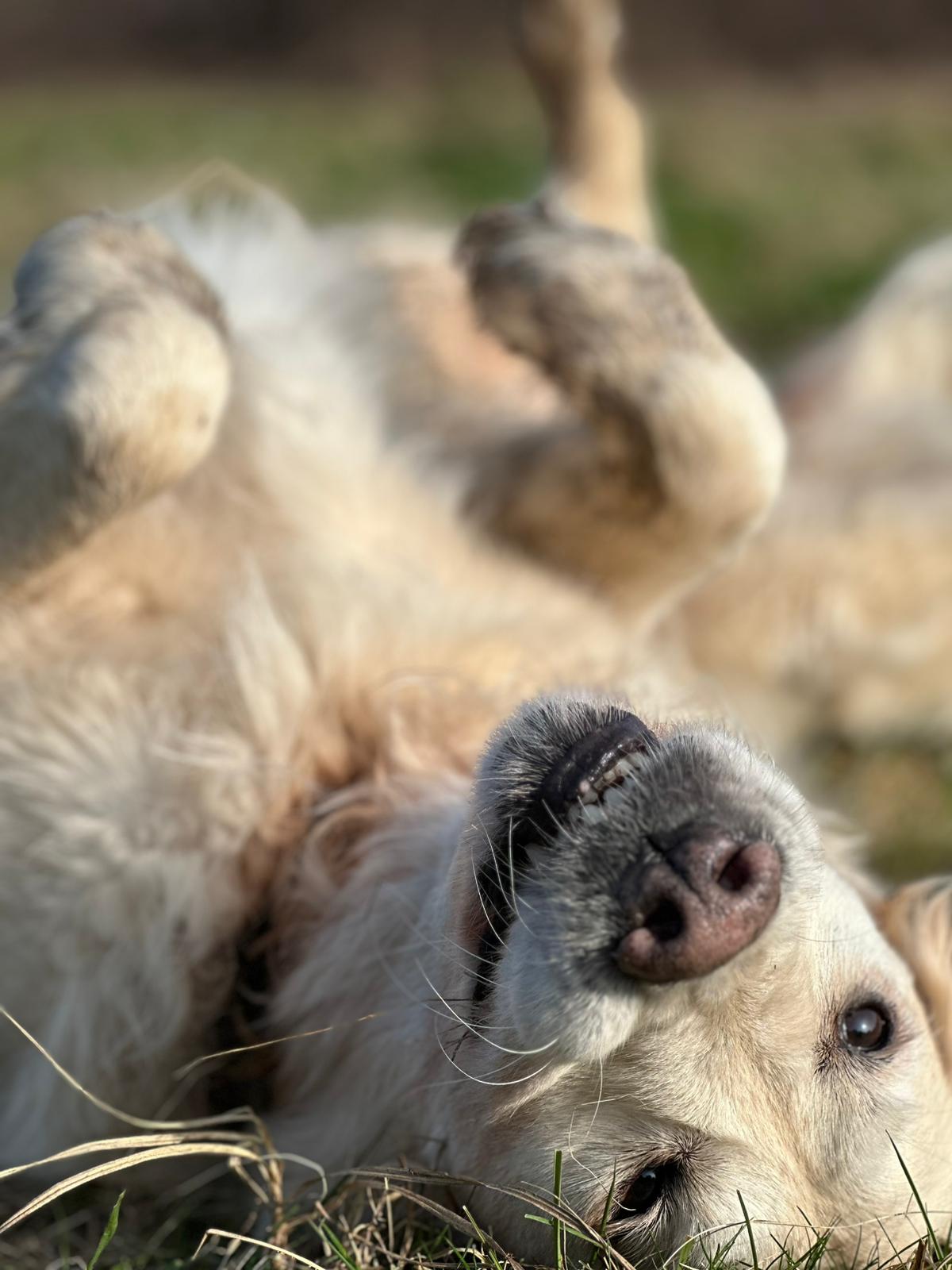
When walking through farmland, it’s tempting to wander off the path for a better view or a cleaner patch of grass. However, sticking to designated Public Rights of Way is essential.
- Keep your dog on a short lead (not an extendable one that allows them to “dart” into the flock).
- Always leave gates exactly as you found them (usually closed!).
- Pick up your dog’s waste—it contains parasites like Neospora which can cause miscarriages in cattle.
Find out more here
5. The One Exception: When to Let Go
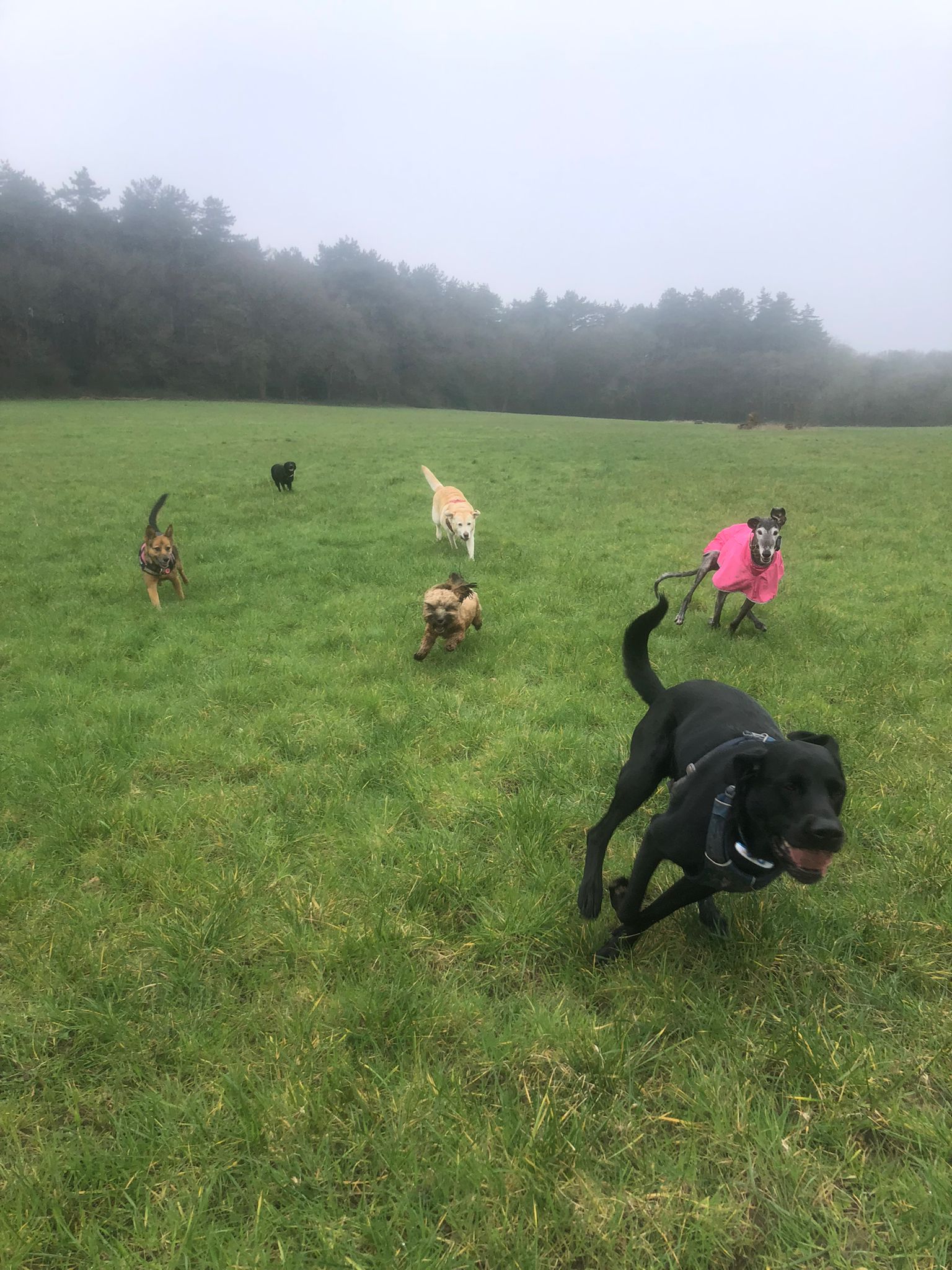
There is one specific scenario where you should actually let your dog off the lead: if you are being chased by cattle.
Cows are naturally inquisitive, but they can become aggressive if they have calves or feel threatened. If a herd of cows starts to trot towards you or act aggressively, unclip the lead. The cows are interested in the dog, not you. Your dog is much faster than you are and can easily outrun them, whereas being tethered to you puts both of you at risk of being trampled. Once you are safe behind a gate, call your dog back.
Find out more here